Tamkang University, Department of Architecture, Thesis Design
Year : 2016 / 2018
Author : Chan Yen Fen
Instructor : Yu Ying Chang, Yeh Chia Chi, Chen Chen-Cheng
Medium : Watercolor
Software : Rhino, Grasshopper, Maya, Realflow
Topics :
– Explore the relationships amongst architecture, art, painting, and urban environment.
– Conduct color analysis by using digital fluid simulation software.
– Physical prototyping with a delta 3D printer.
– Develop a principle of form-finding procedure to generate a digital 3D mesh from a hand-drawn painting.
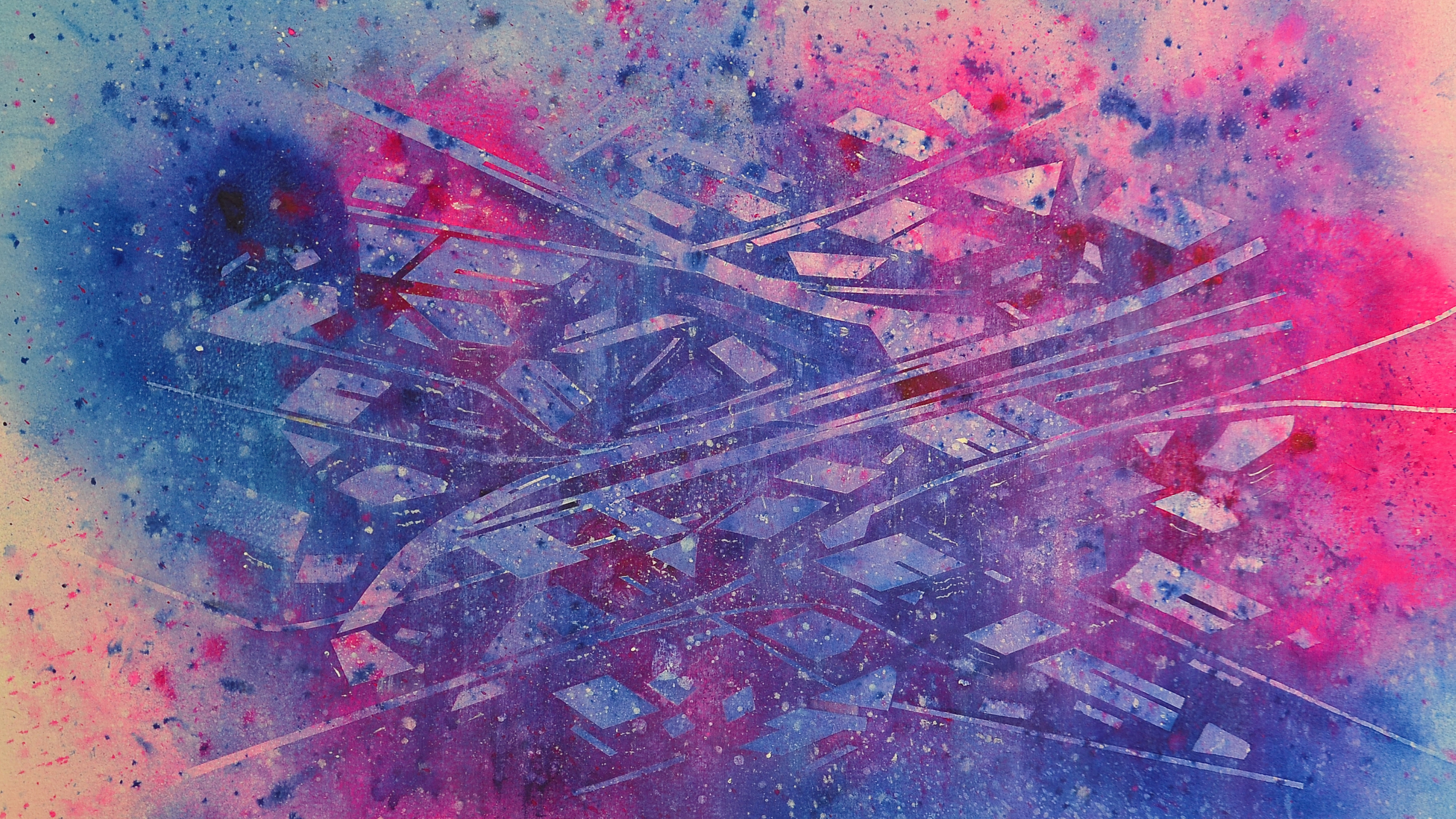
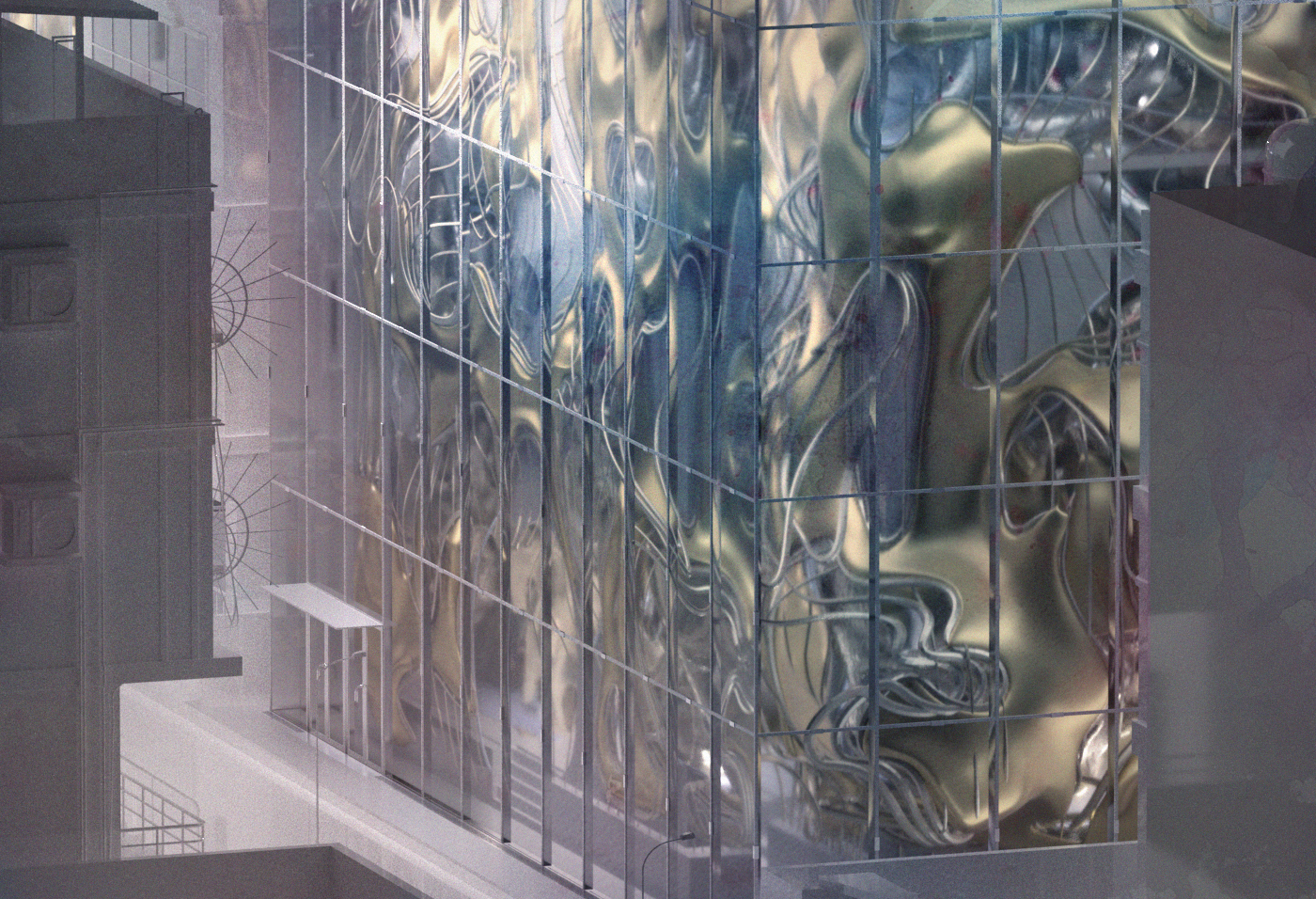
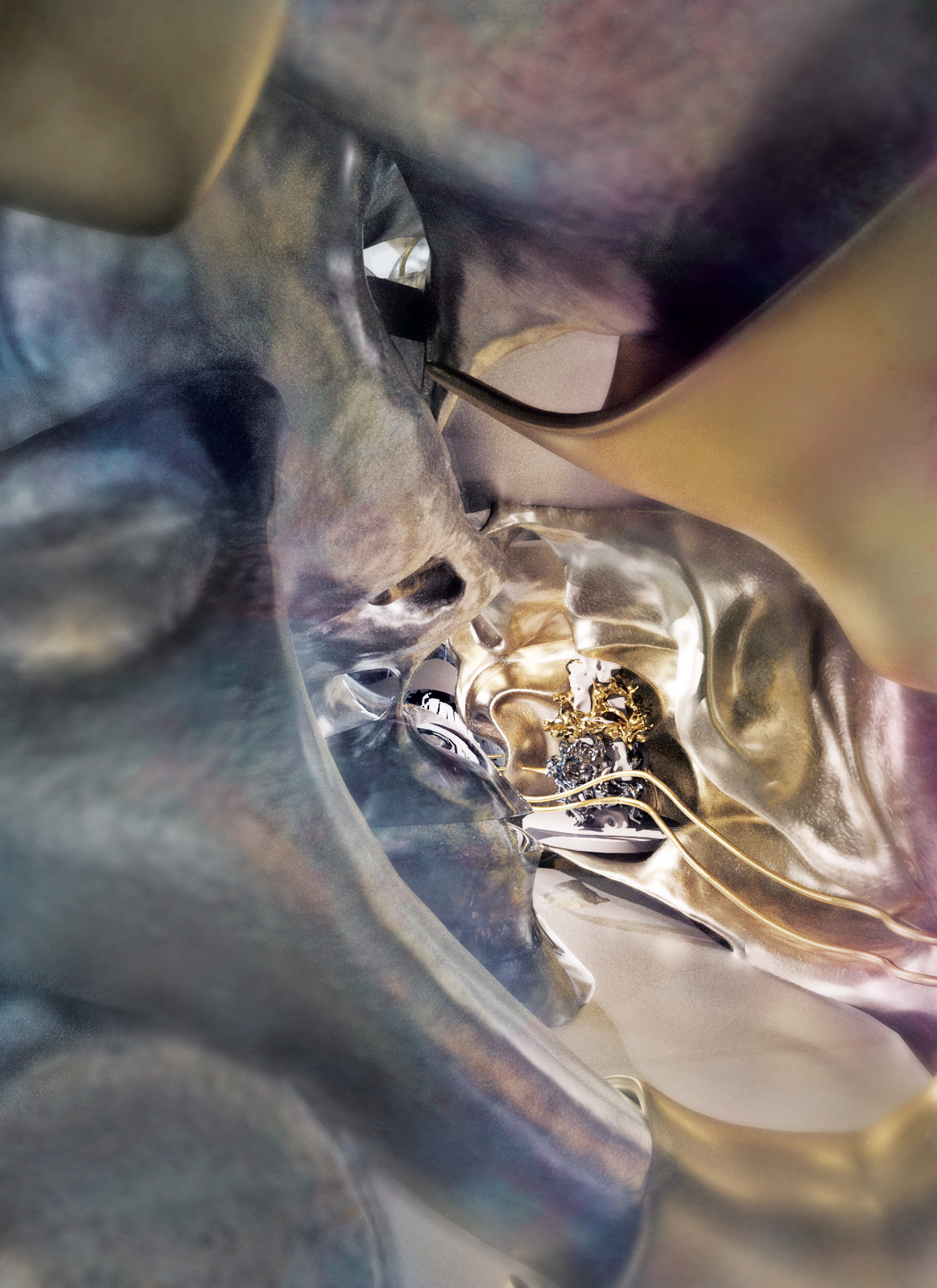
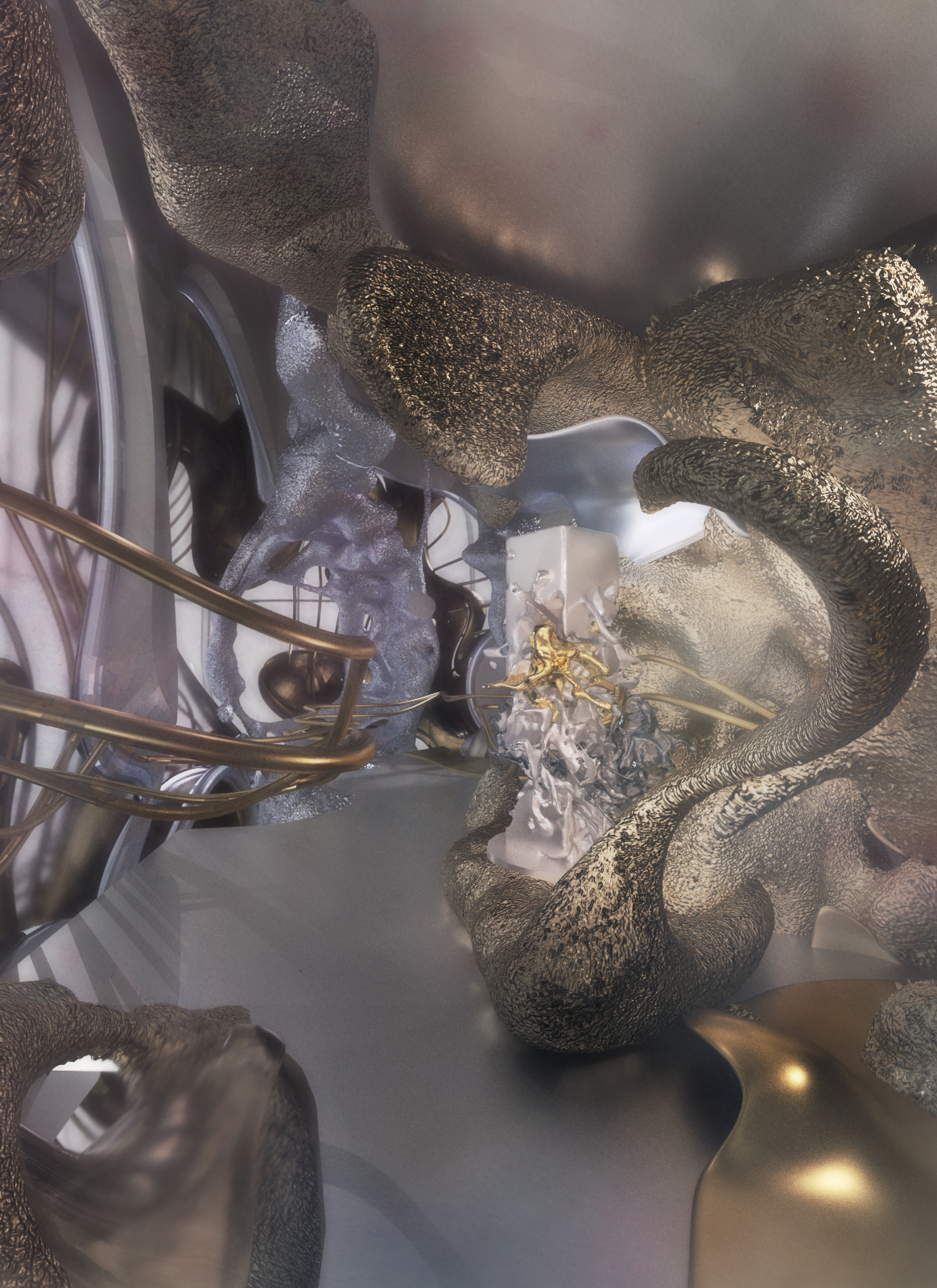
The Purples attempts to interpret the flat drawing as well as its concept behind the work into architectural spaces, which combines simple visual graphics with architectural design to develop into spatial experience physically. Afterwards, to discuss the relationship amongst architecture, drawing and real world based on three phases: creation, analysis, and restructuring. The Purples shows two connected art galleries that exhibit many watercolours, these works of art are the origin and represent the condition that exists only on the paper. From the historical perspective of art, the minimalism opened the art development from object-centred to objecthood. In other words, the core idea of art appreciation transferred from the work of art itself to the theatricality of the audiences themselves. This transformation changed the dilemma that the public viewed arts, from the interpretation of knowledge concepts to the experience of physical participation and body sensations.
The Purples offers a new perspective on colour differences, which is not a variance from the hue but from the environment and mixing method. In the pre-processing stage, the City in a Rut painting utilised only two colours, quinacridone opera red and phthalocyanine blue, to depict Taipei: A city looks rigid with dull and repeated buildings everywhere. However, people could usually find unexpected interesting matters in some hidden corners. The numerous purple spots symbolise where the hidden incidents happened.
During the process, two virtual characters were created: the painter and the architect. The painter was in charge of the initial painting work phase of City in a Rut and represented a viewpoint toward Taipei city. As for the latter, the architect controlled the formation of watercolour fluid by simulation ; further, the architect transferred the drawing into architectural spaces. Meanwhile, the urban phenomena that implied behind the drawing also fully reflected on the site via the techniques of architectural design.
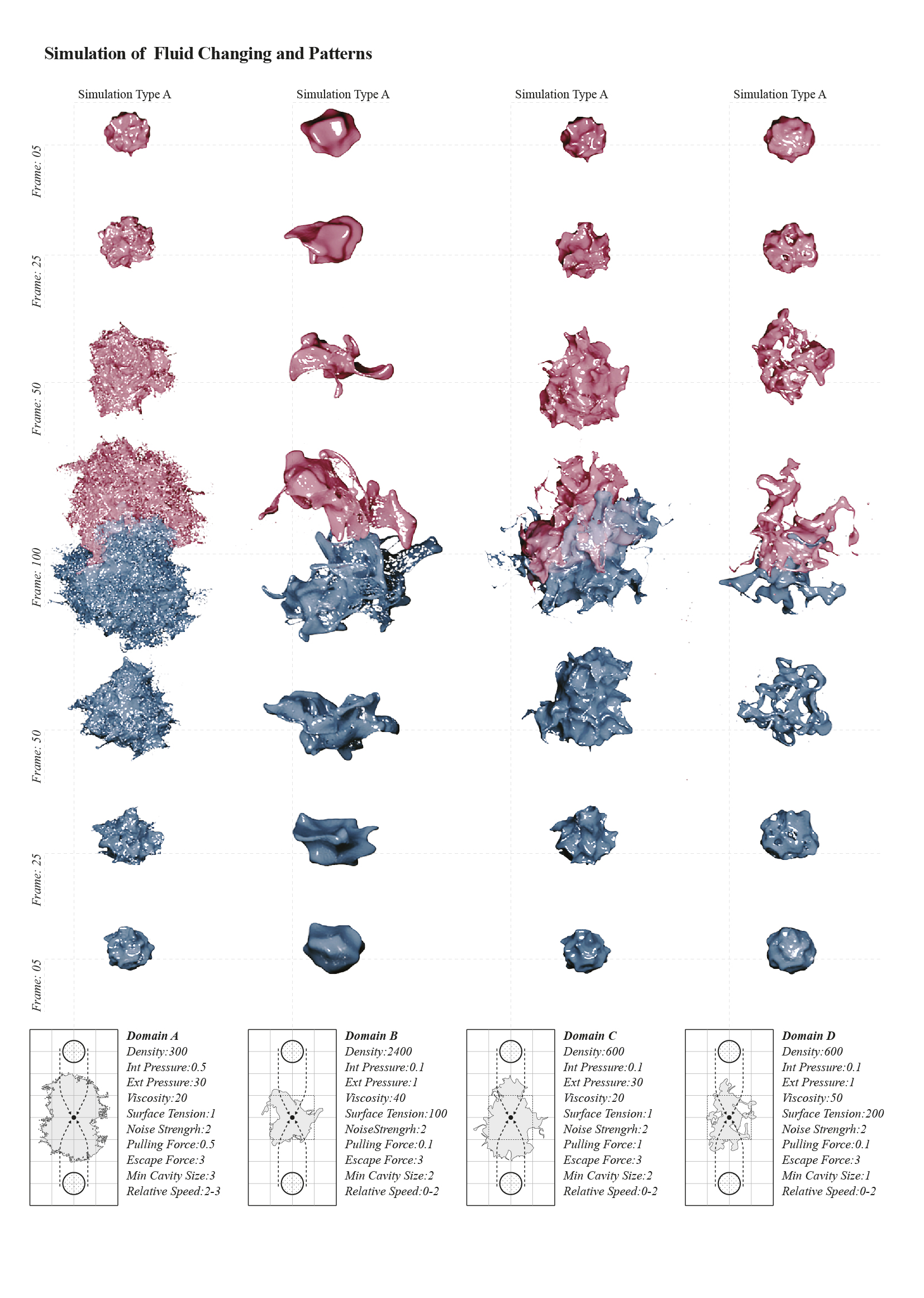
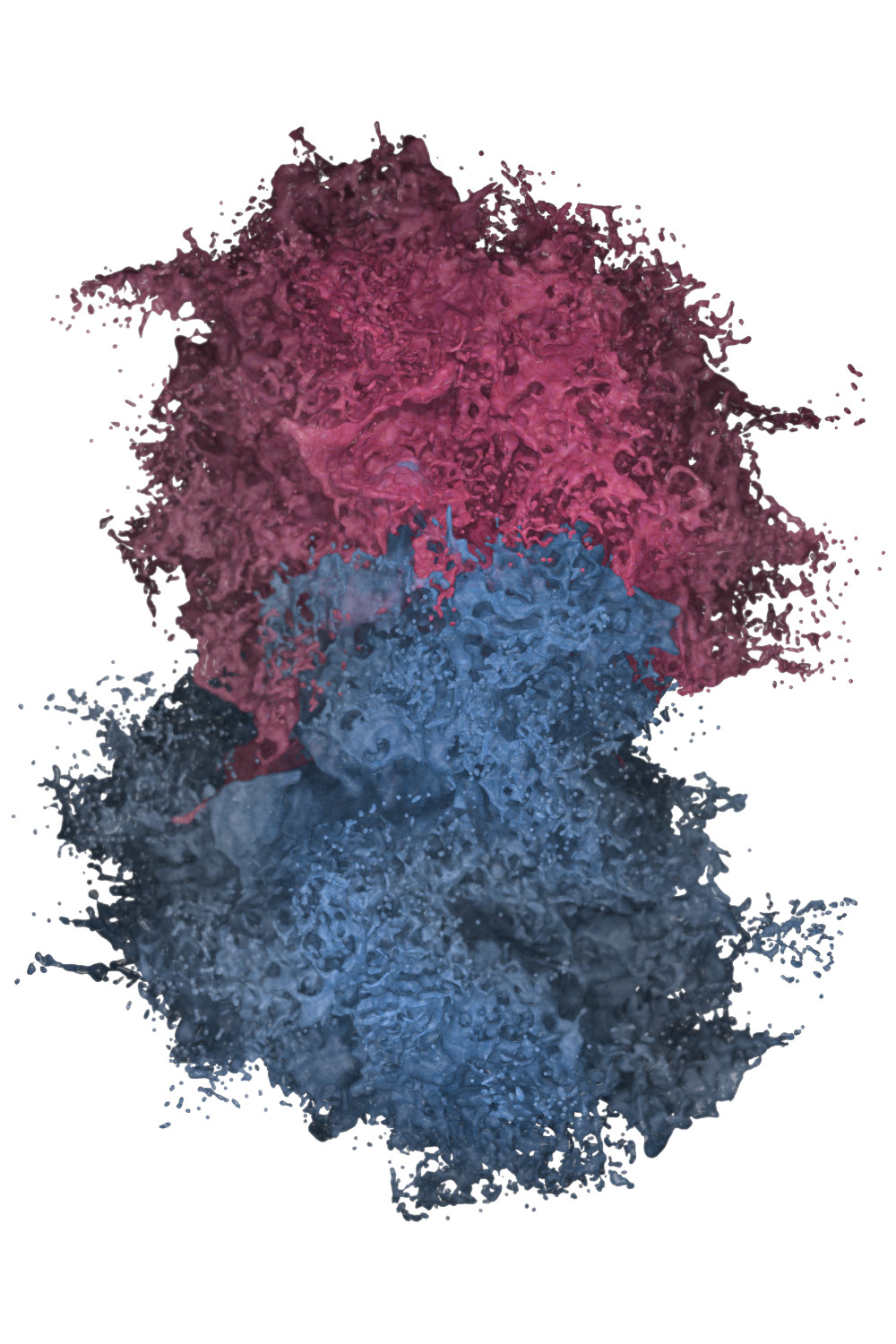
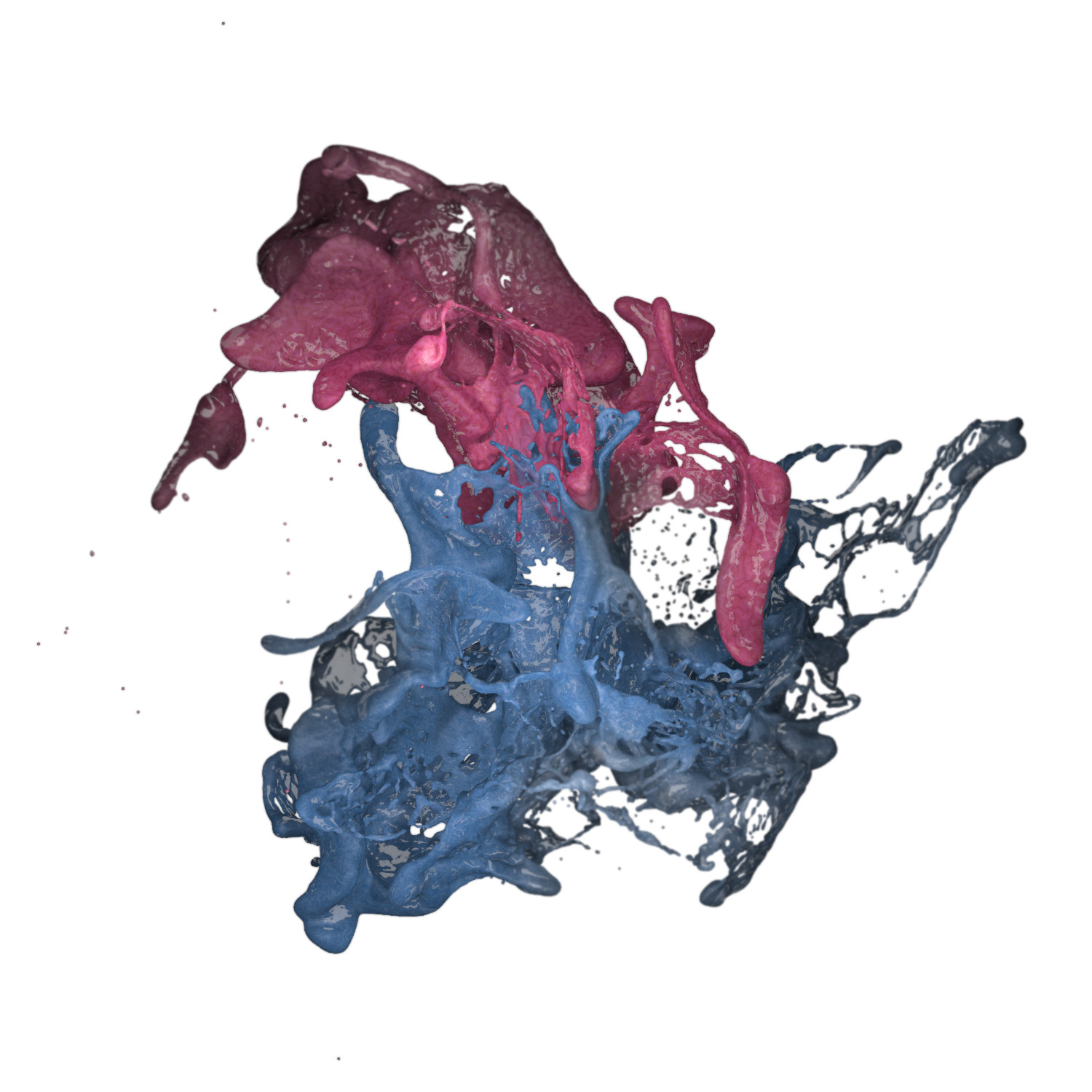
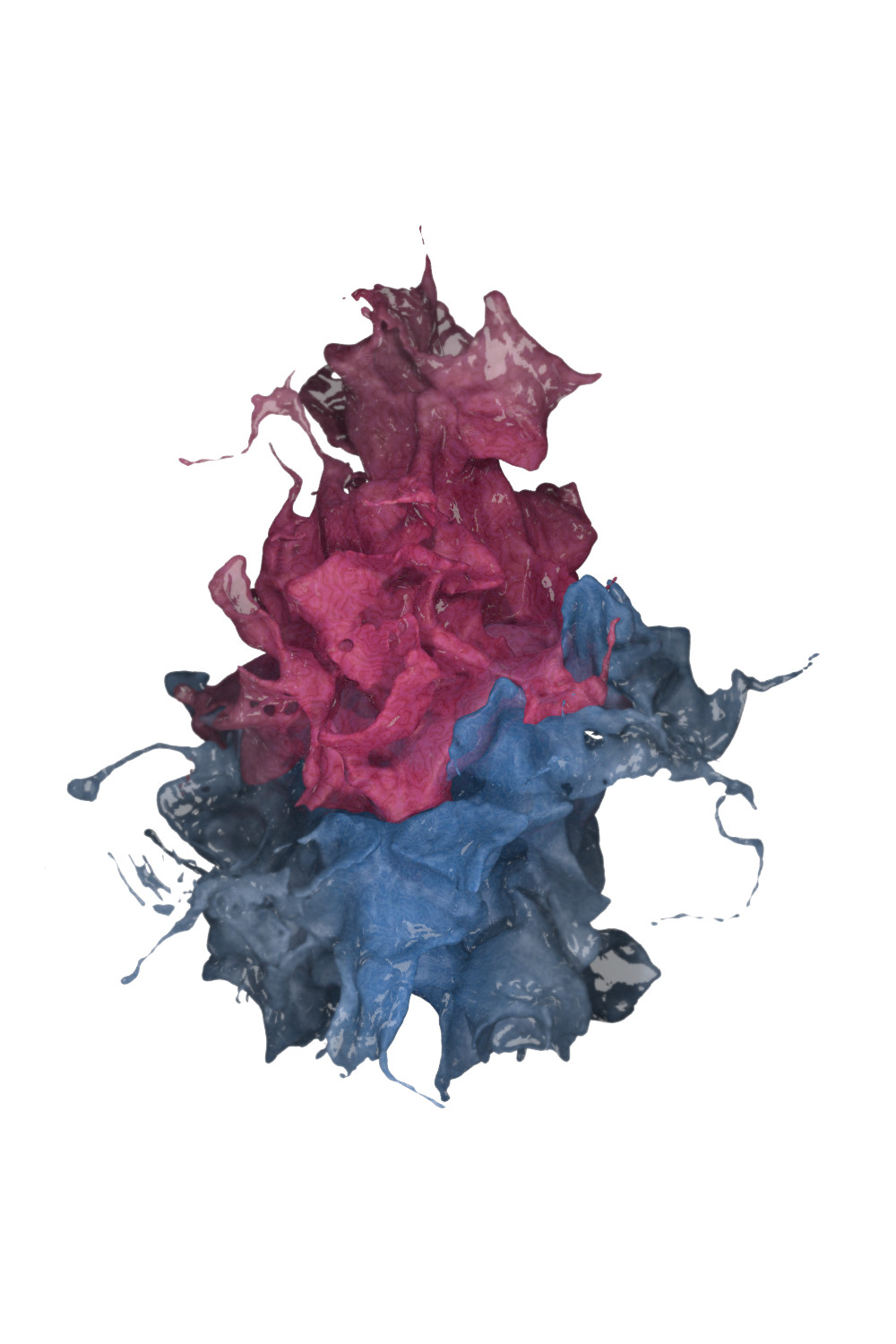
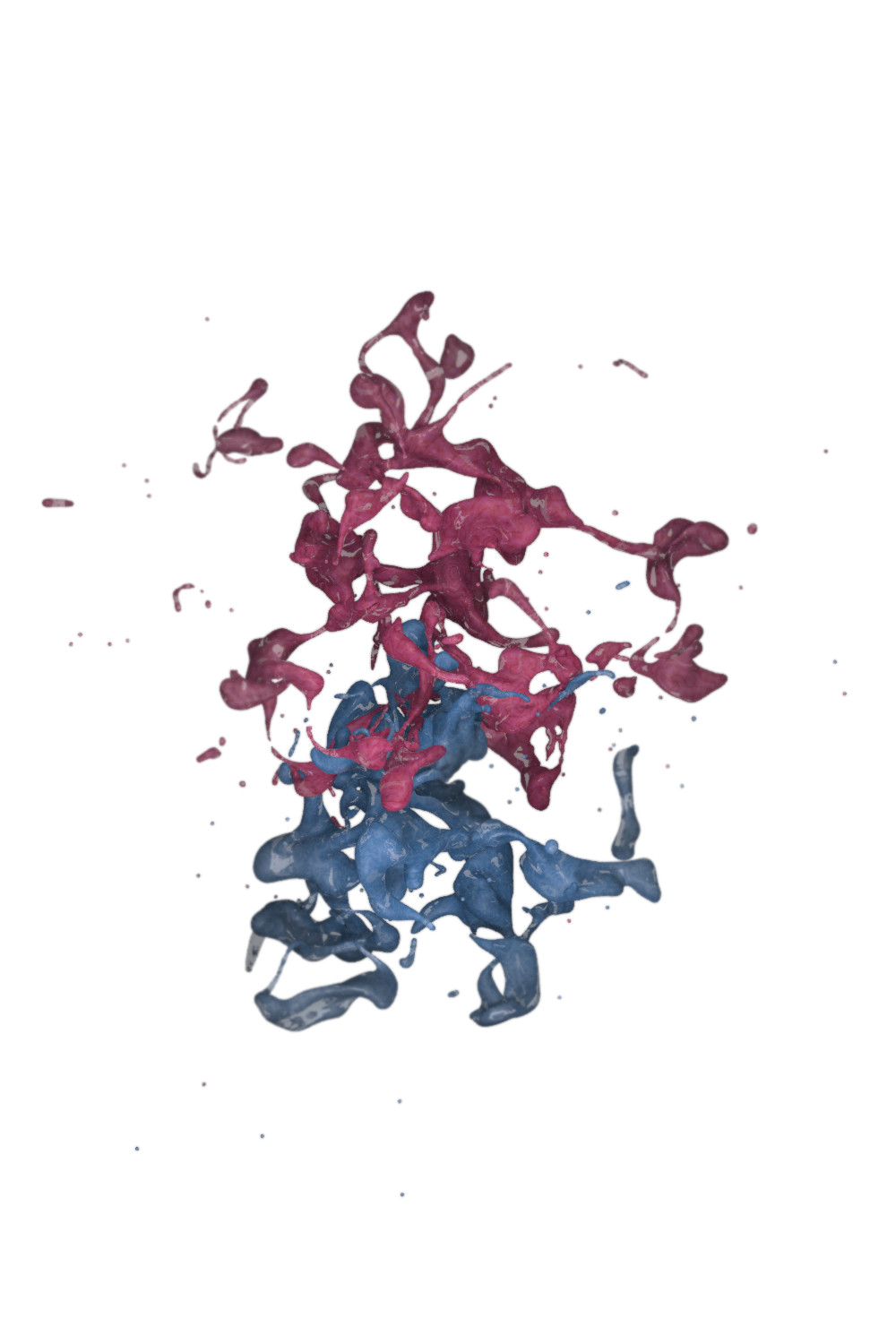
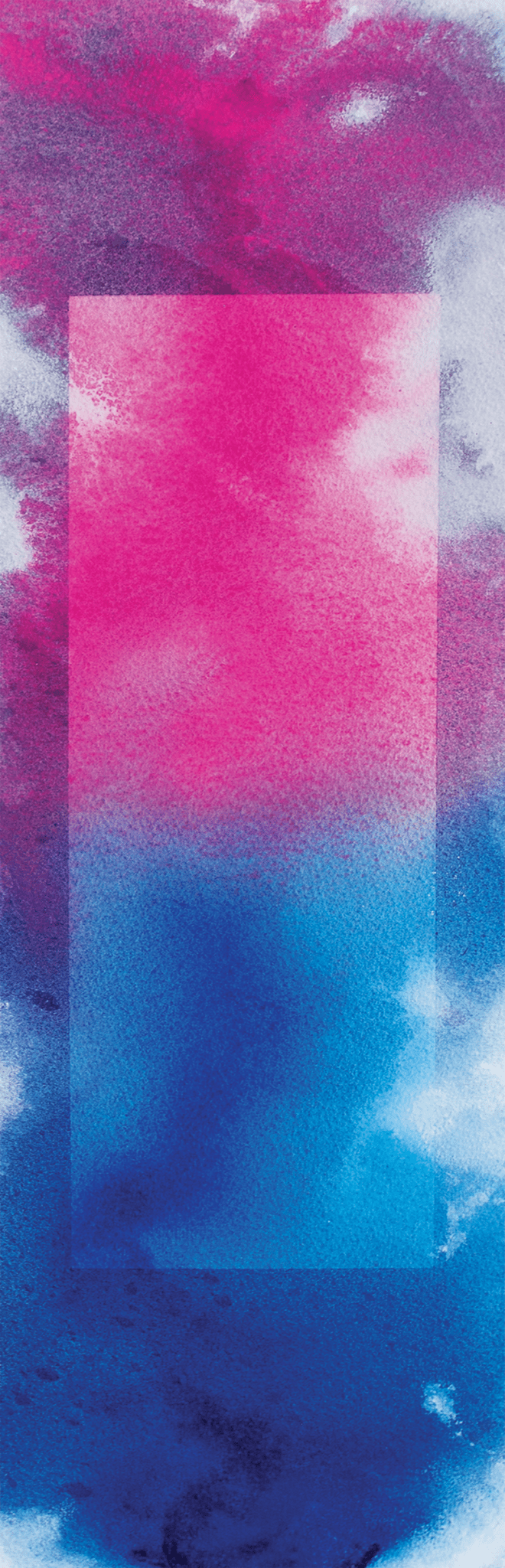
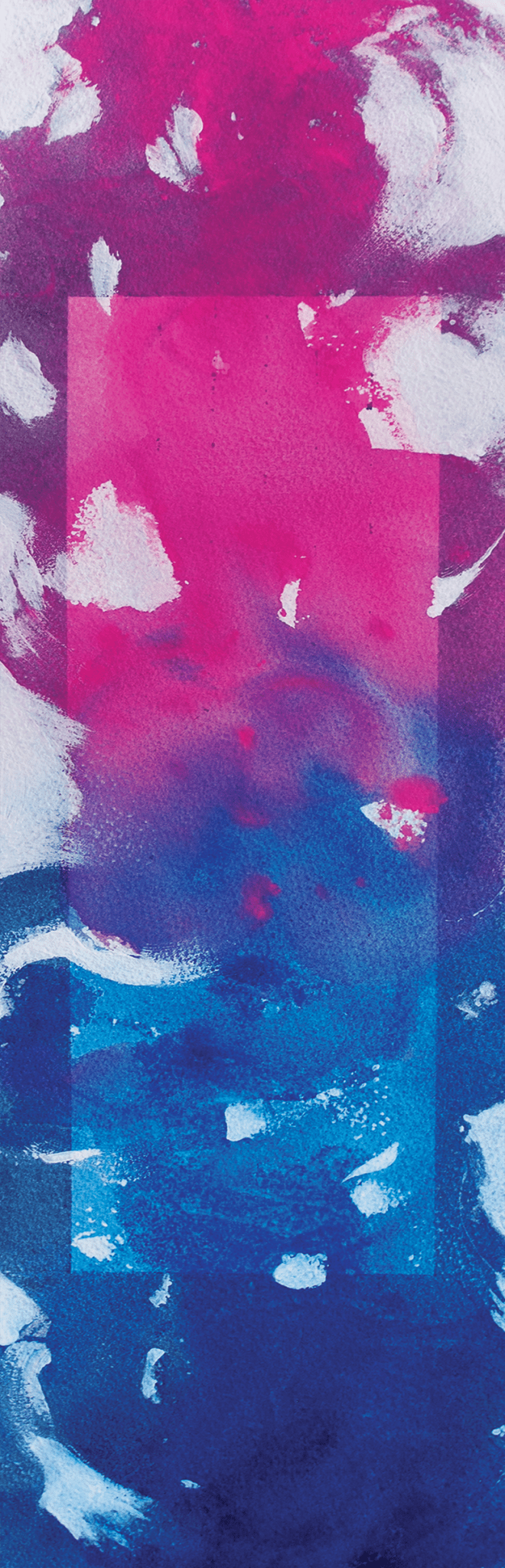
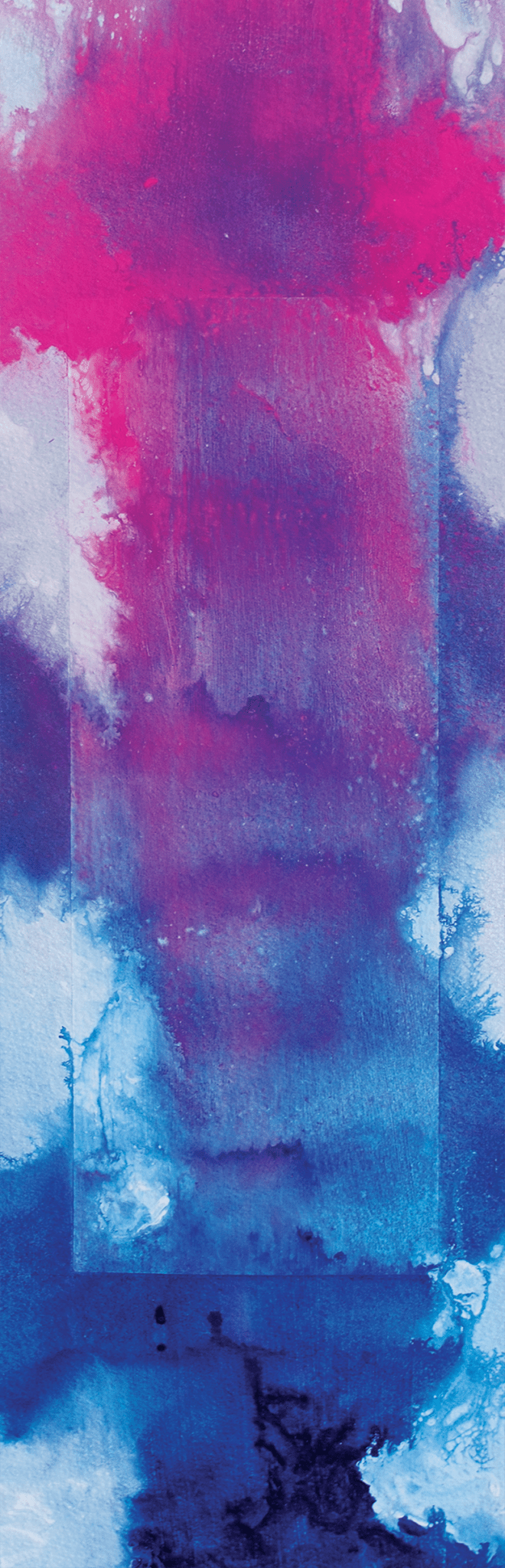
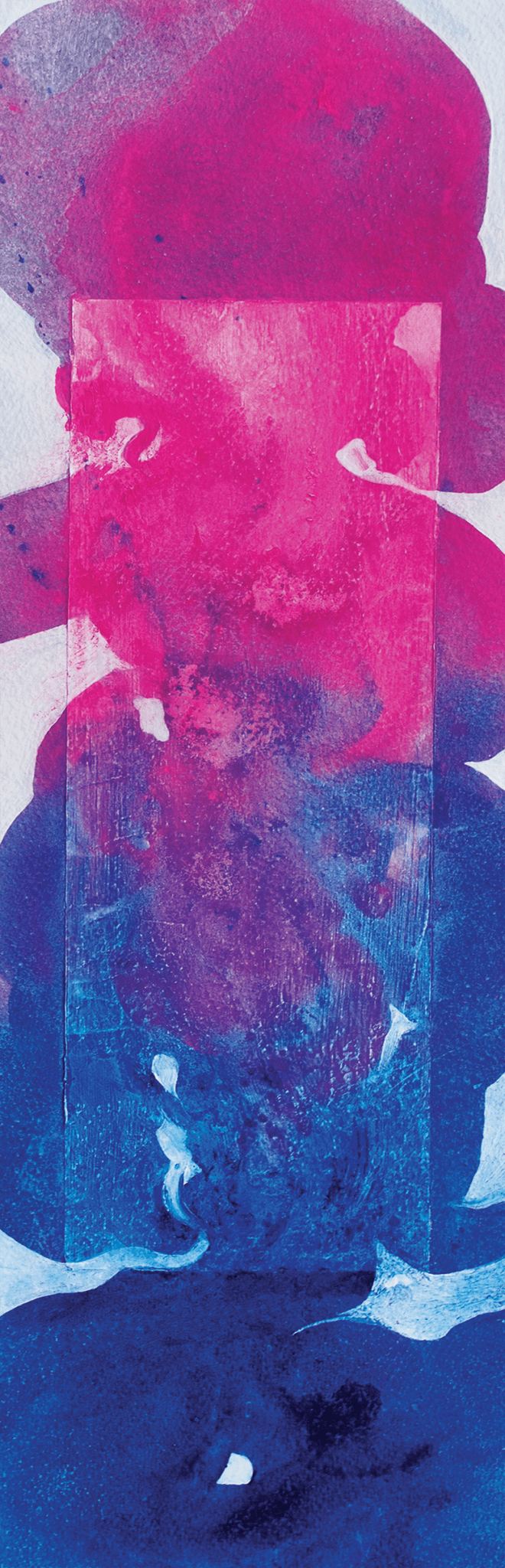
Initially, digital tools (RealFlow&Maya) were used to build the connections between drawings and spaces. Whilst analysing the drawing processes, I implemented the red and blue colour mixing on the paper solely to organise the colours of the work into various mixing types. Next, four purples were developed with different mixing ratios after adjusted the humidity and smoothness of the paper. The core differences between the purples happened. Last, conducting the simulation by using digital tools to interpret the differences of the hand-drawing processes and results into digital parameters; the parameters were used to transfer the flat graphs into 3-D spatial models.
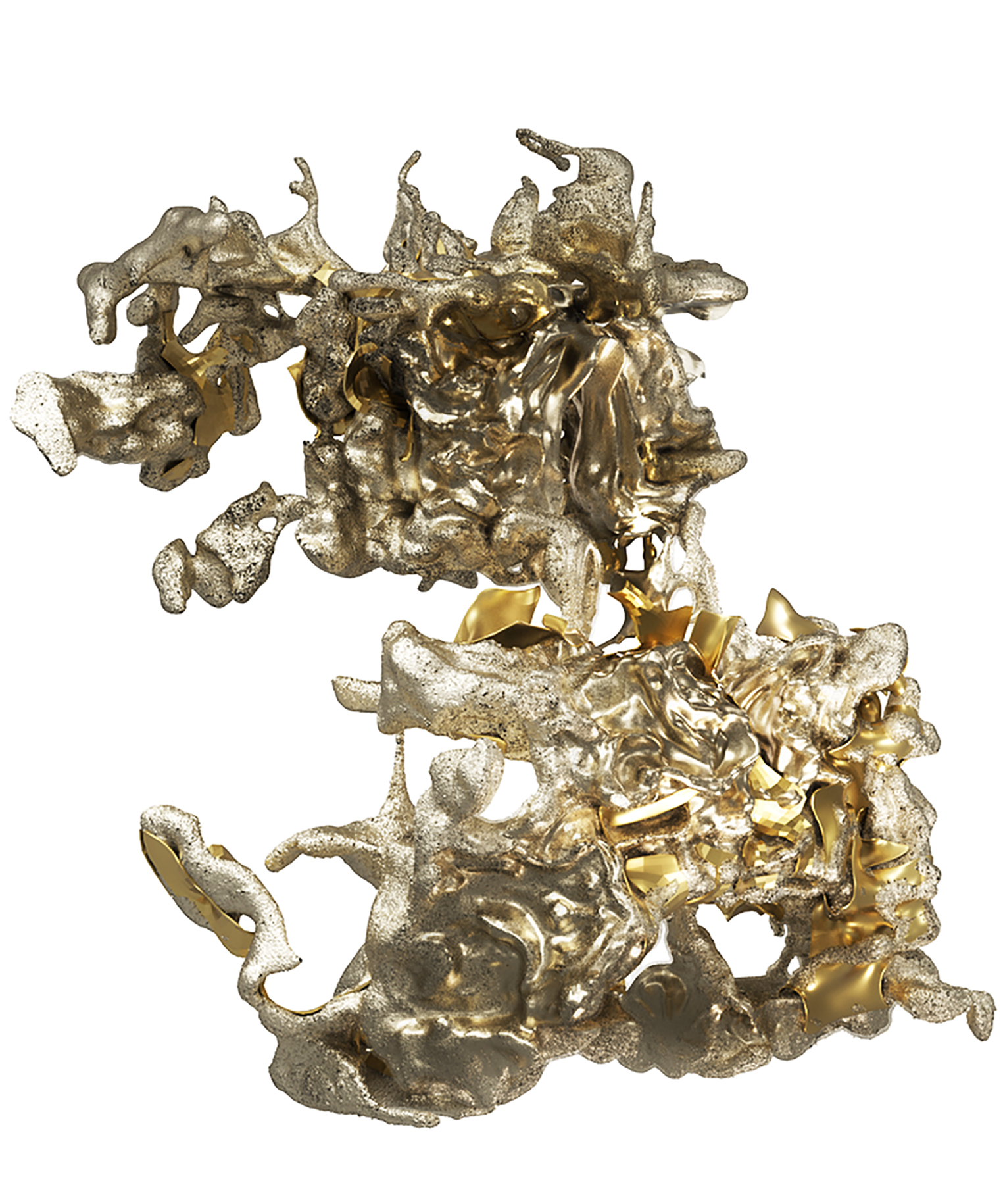
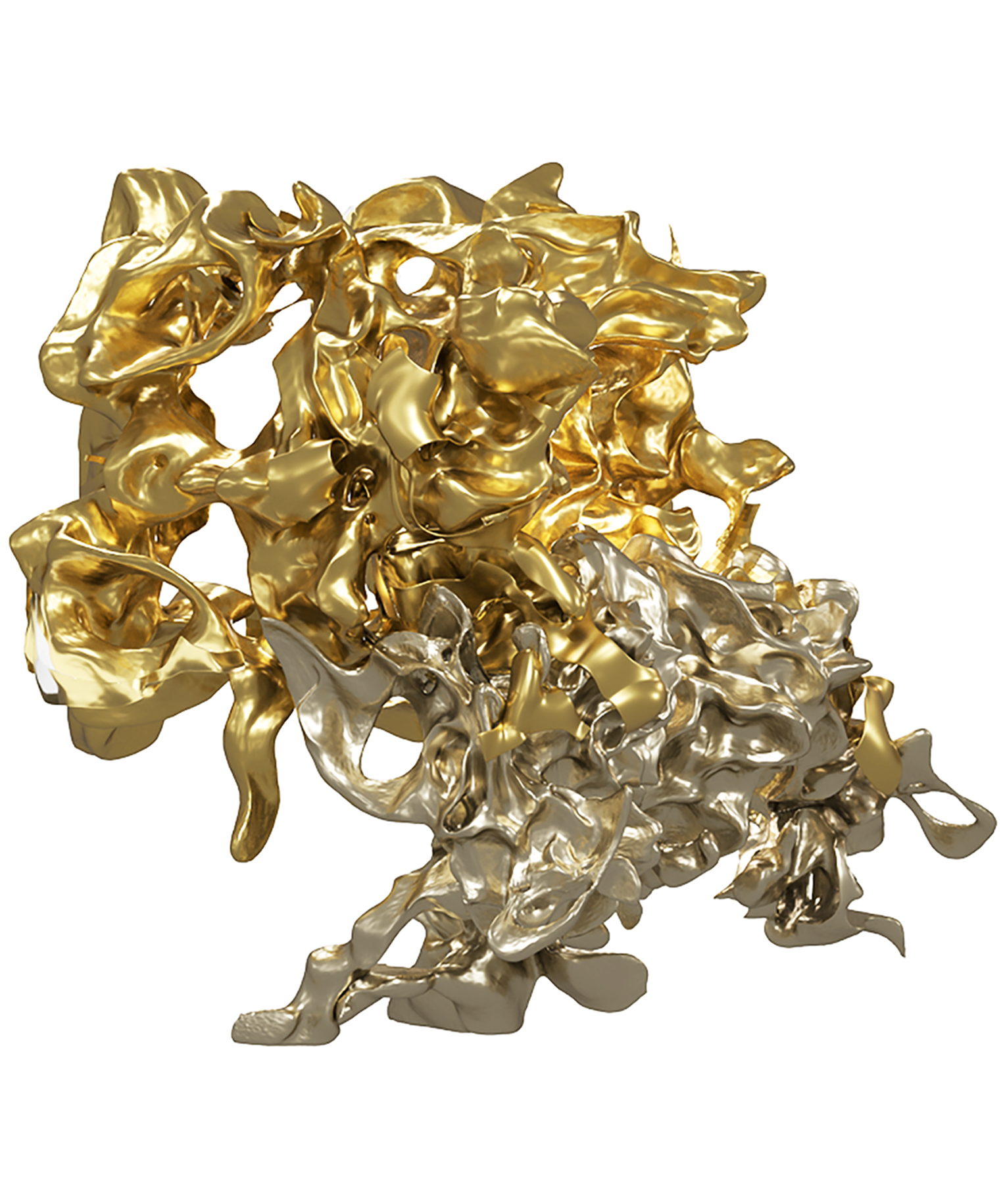
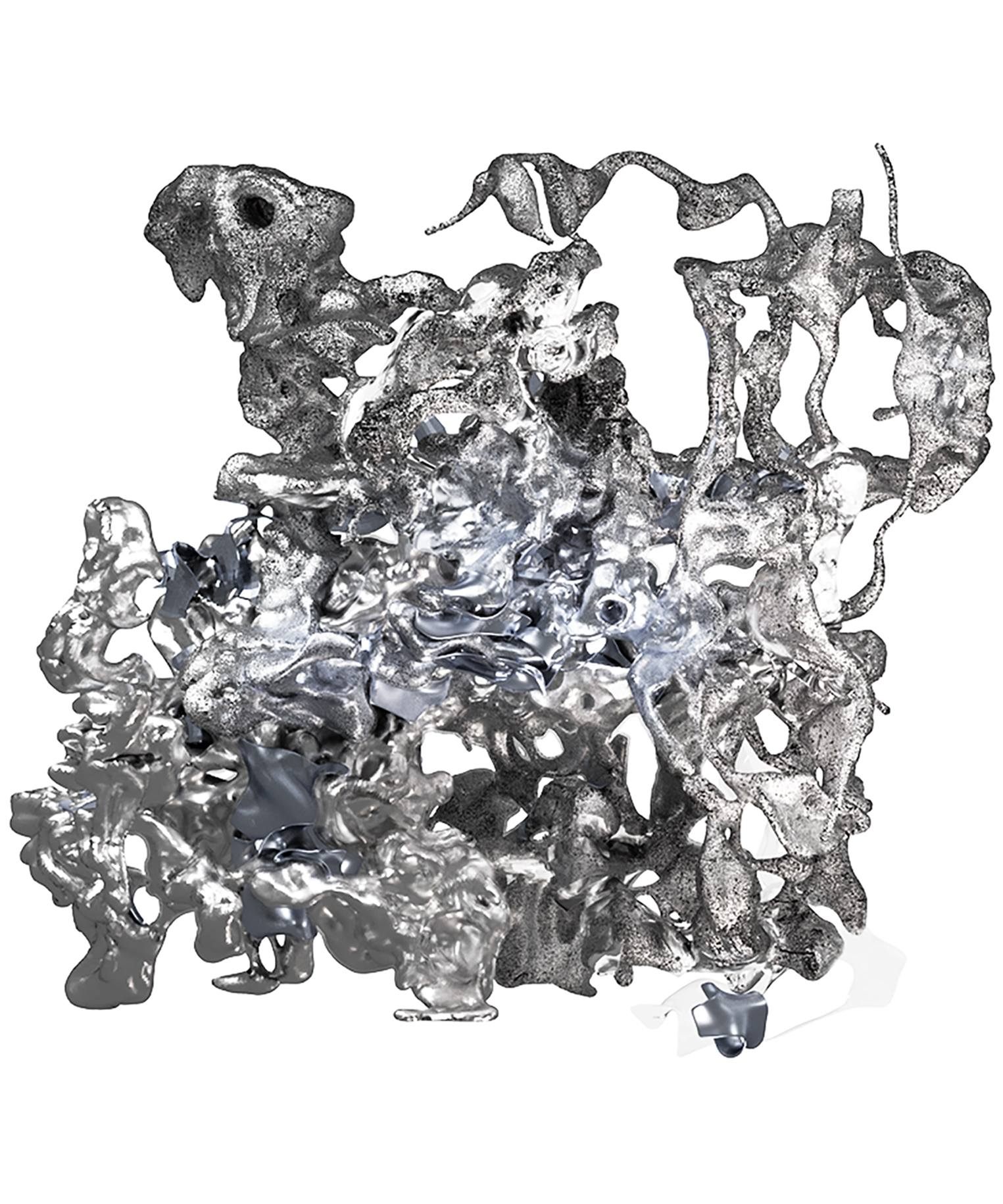
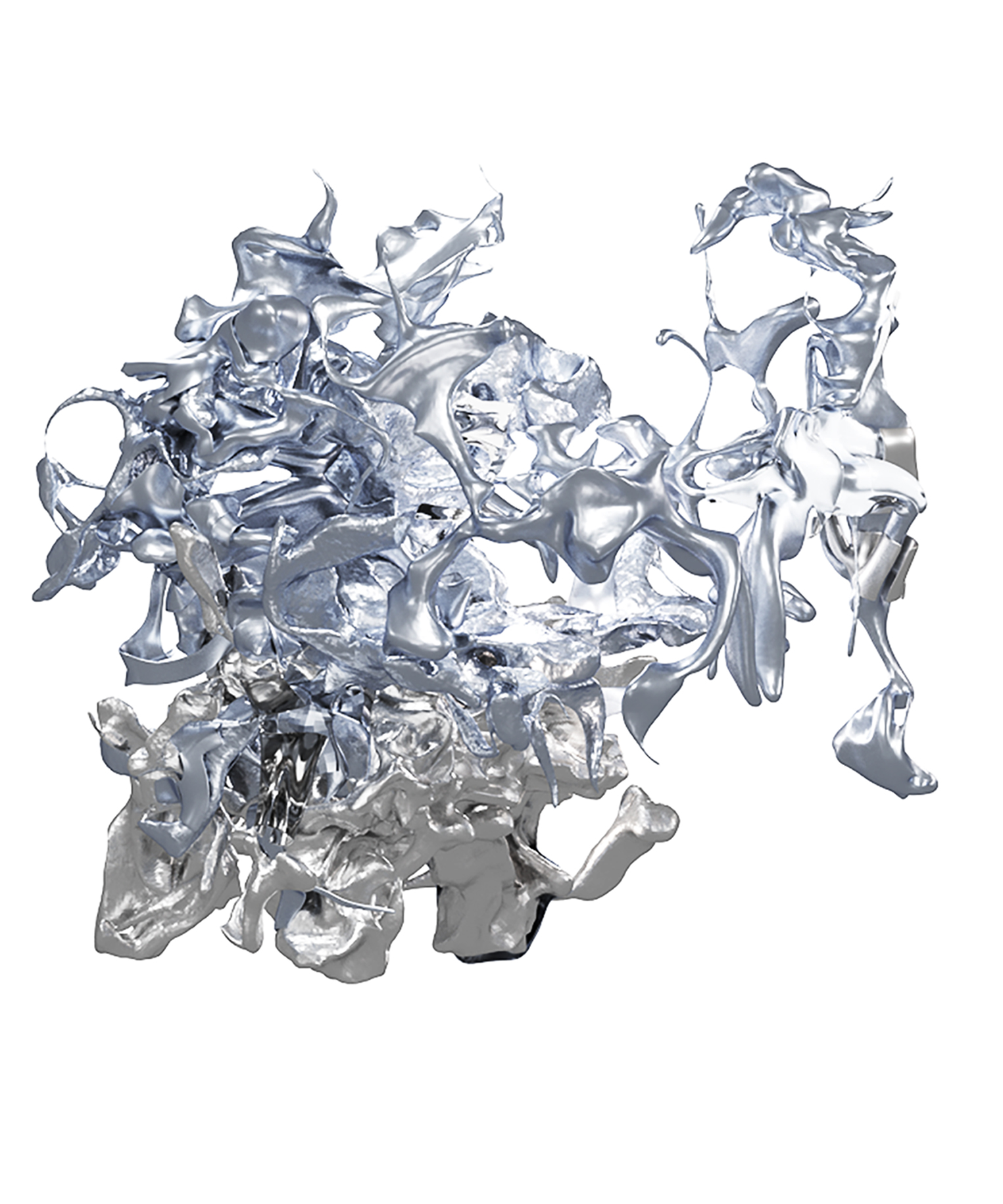
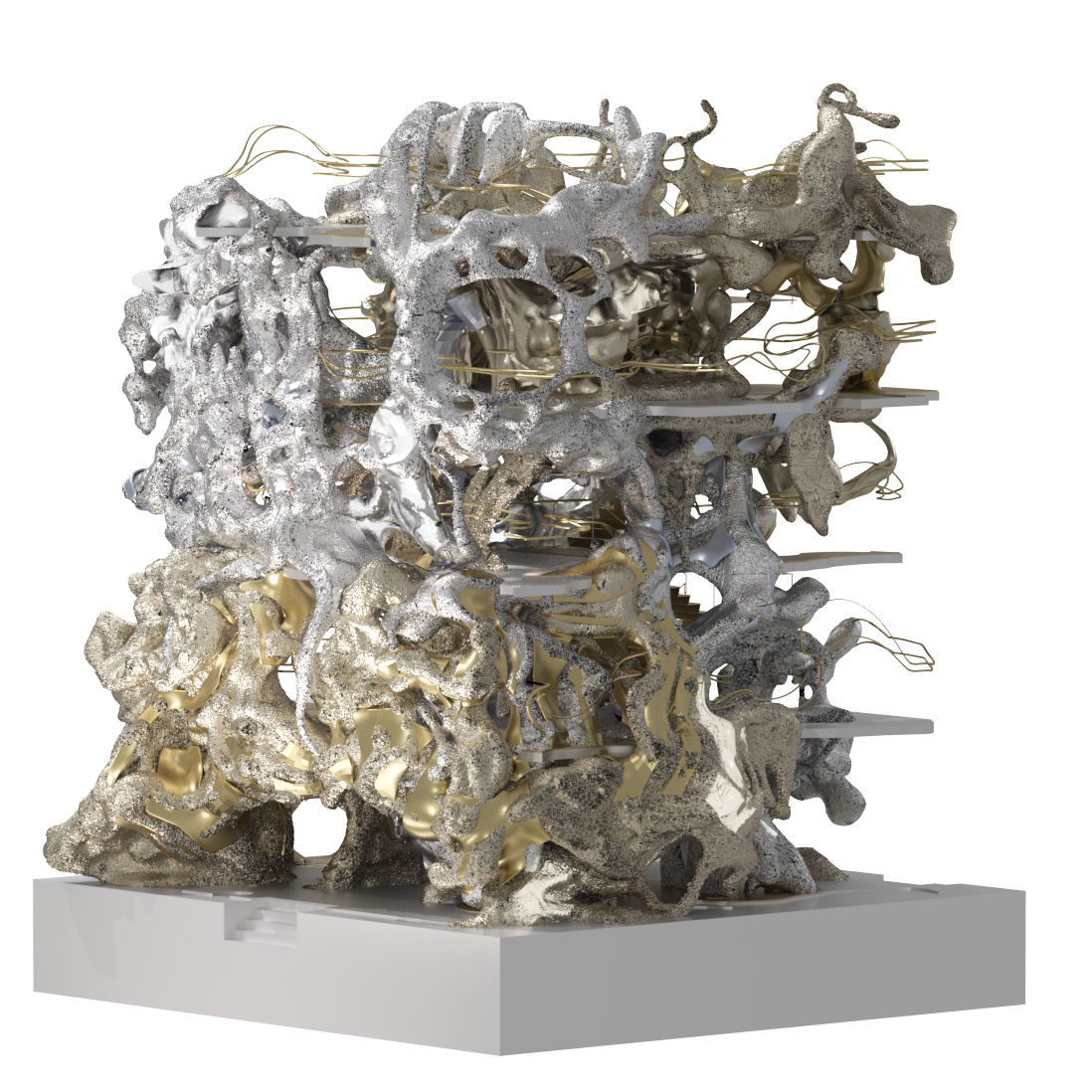
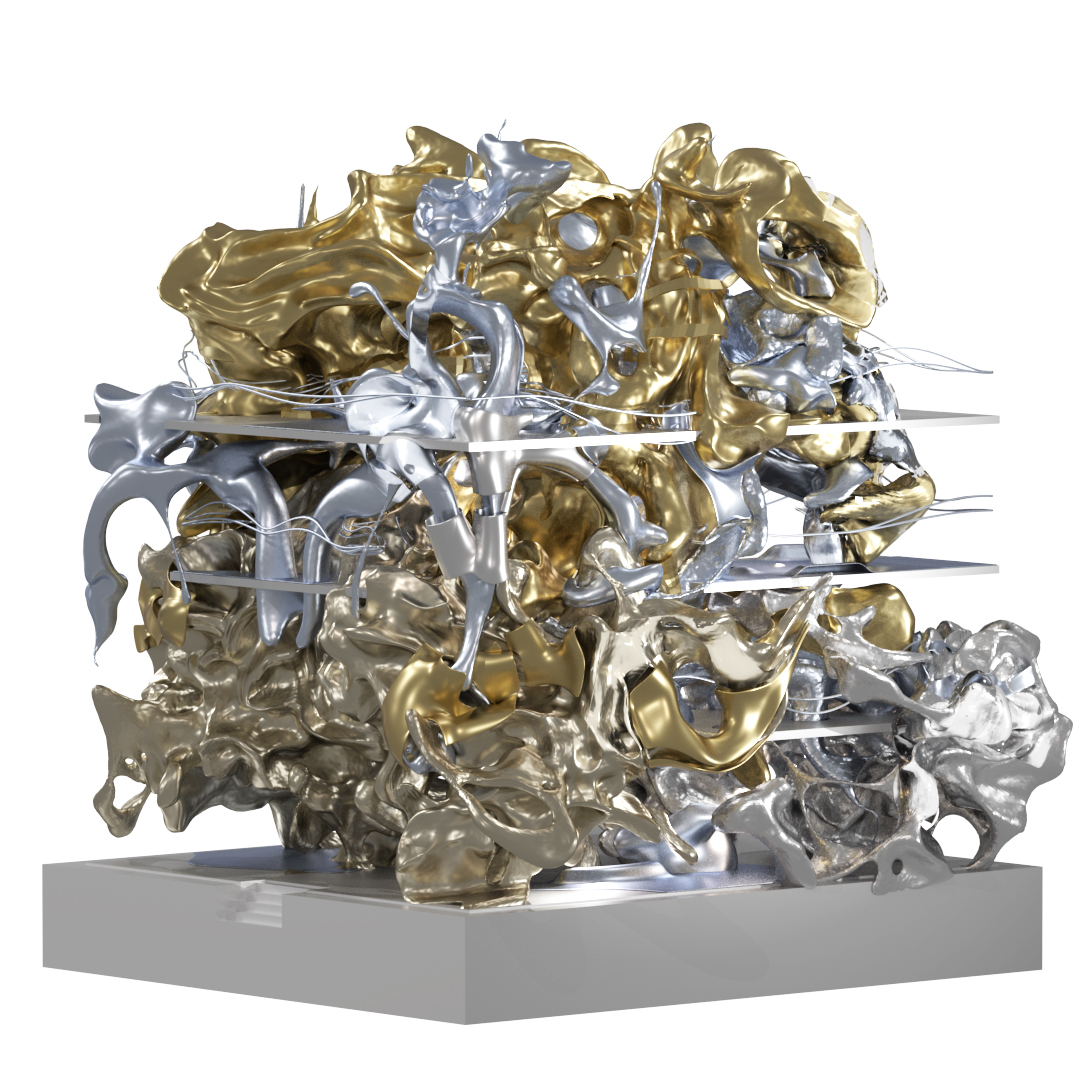
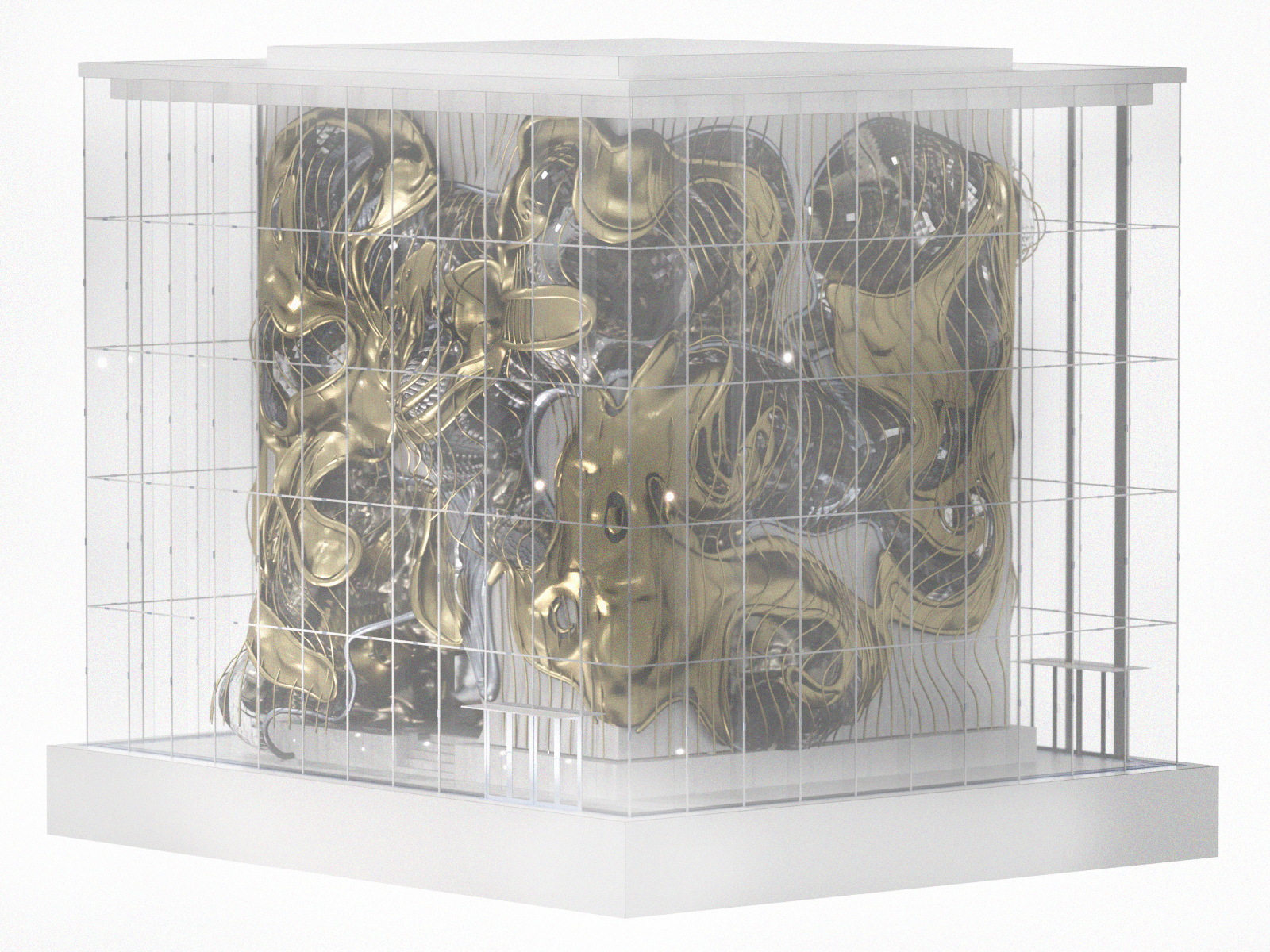
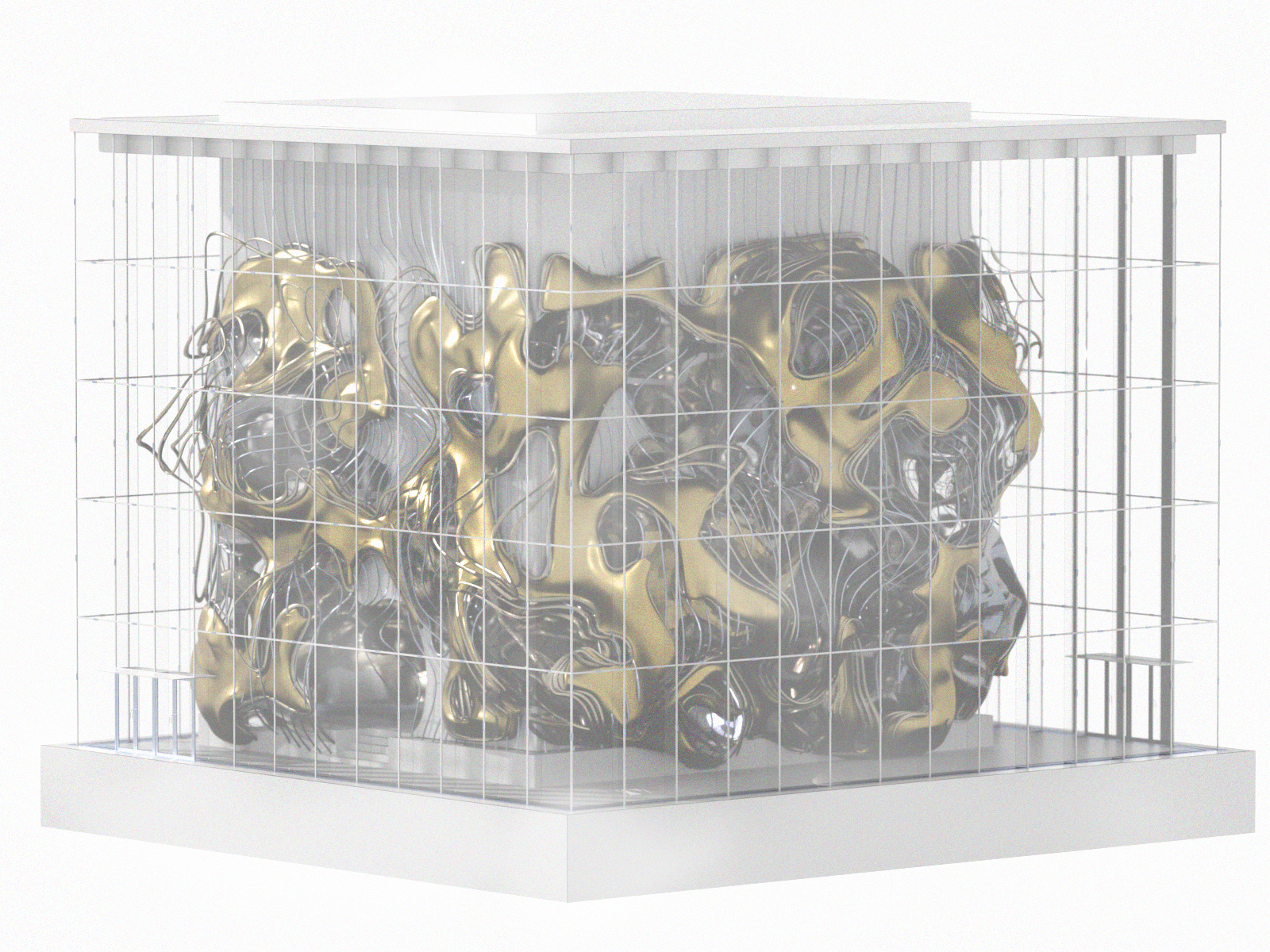
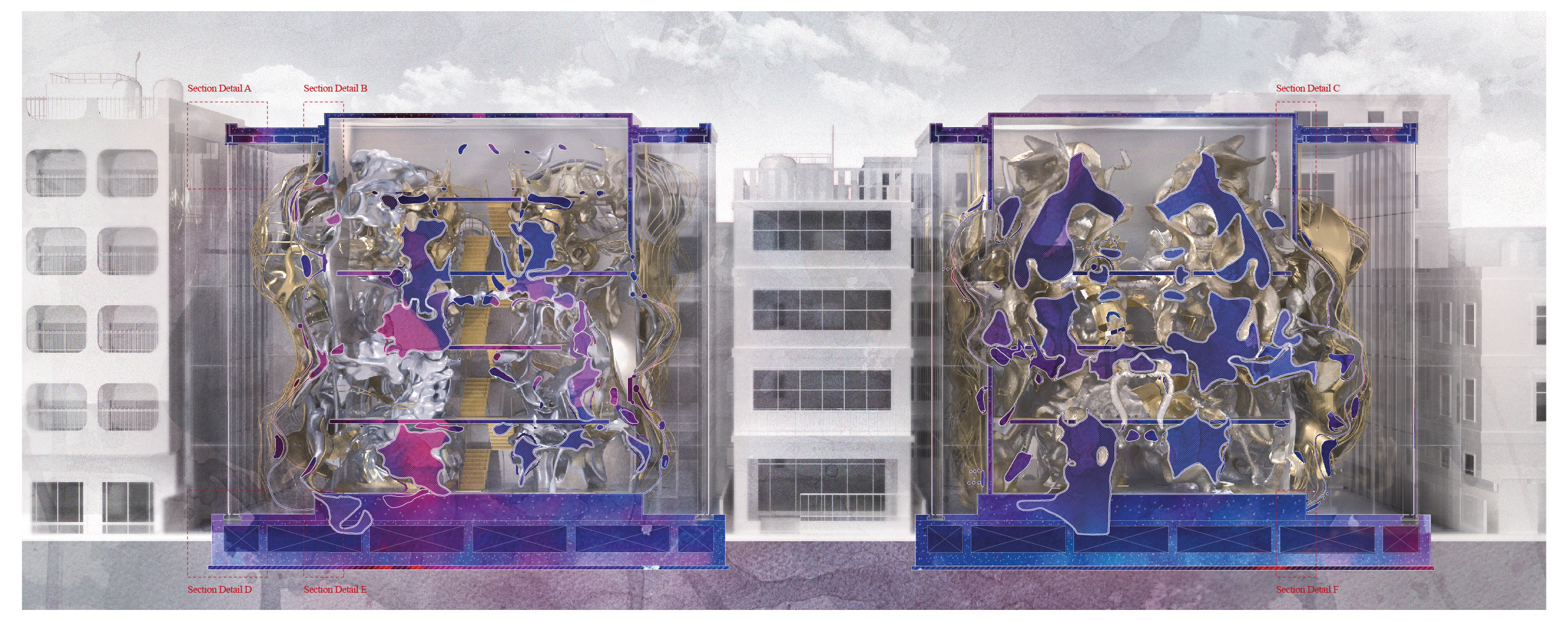
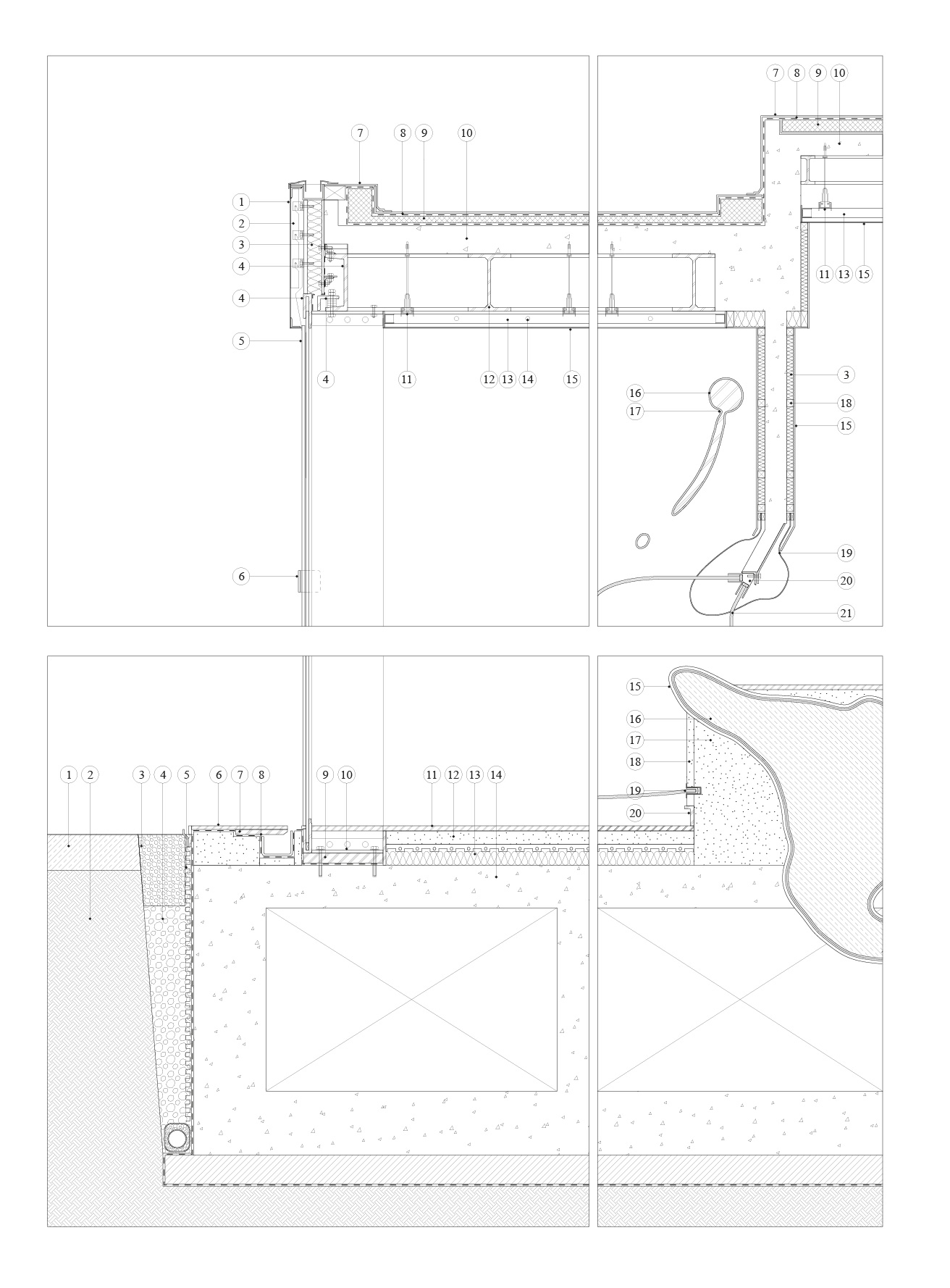
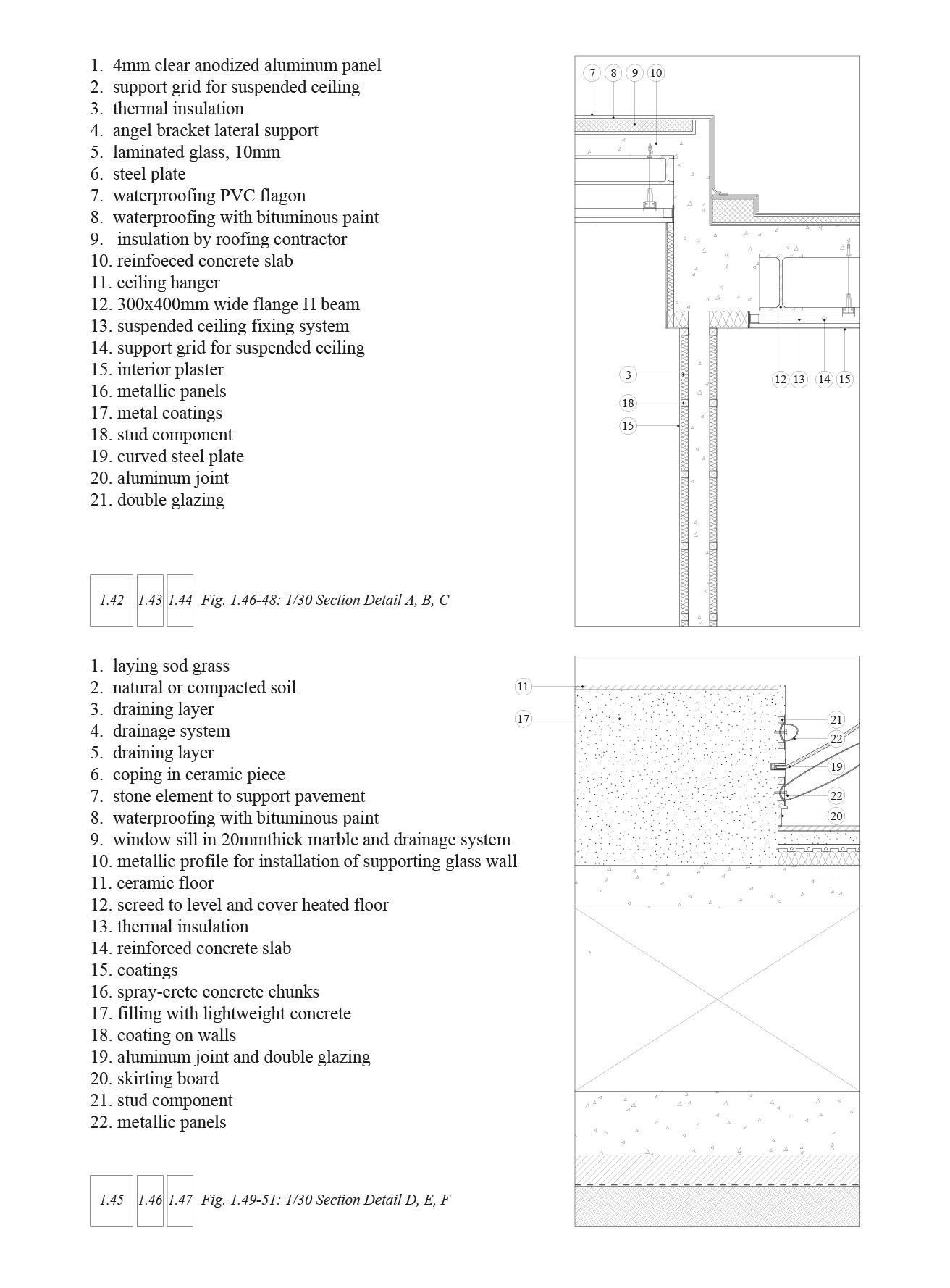
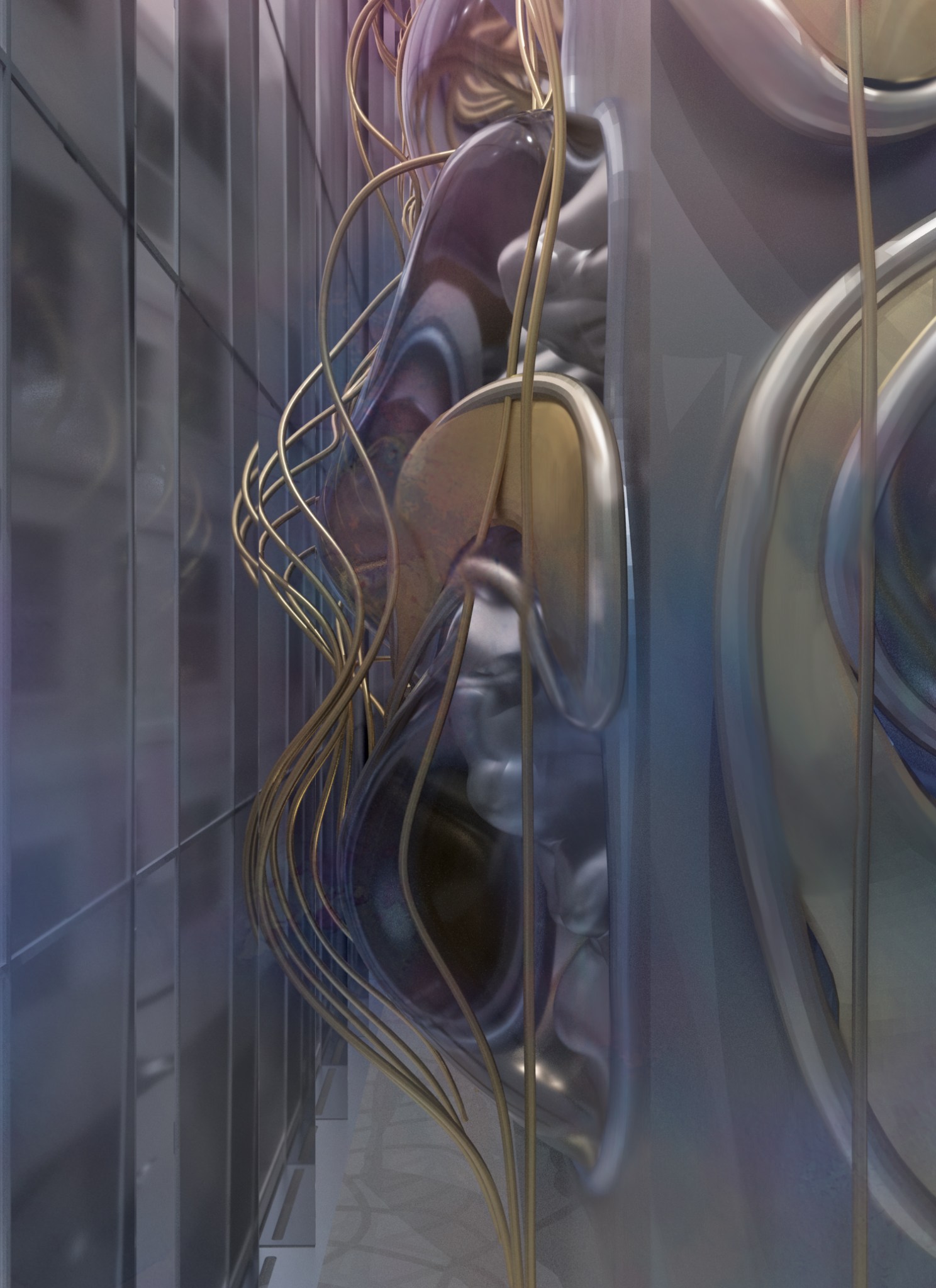
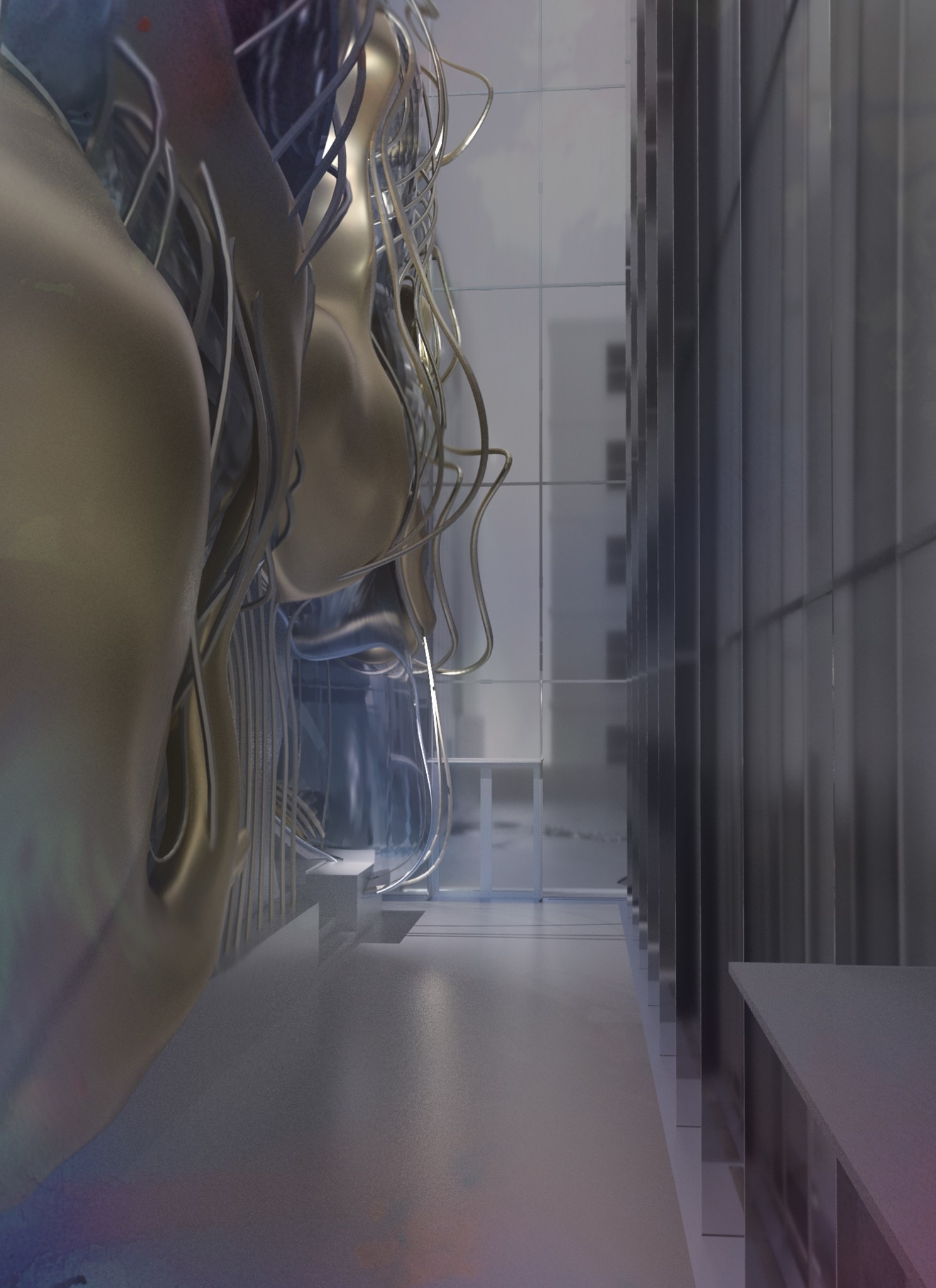
In the next phase, it was to implement the process of dematerialisation to the two colours, which replaced the colours by actual metal materials, gold and silver. This was an assumption of the truly usable materials when building the space, as well as enhancing the difference of virtual simulation. The red and blue colours did not present with their actual appearances; instead, only the personal consciousness reflected by the artist and the space symbols had left beyond the functionalities (as in the visual cognition of colours for human eyes).
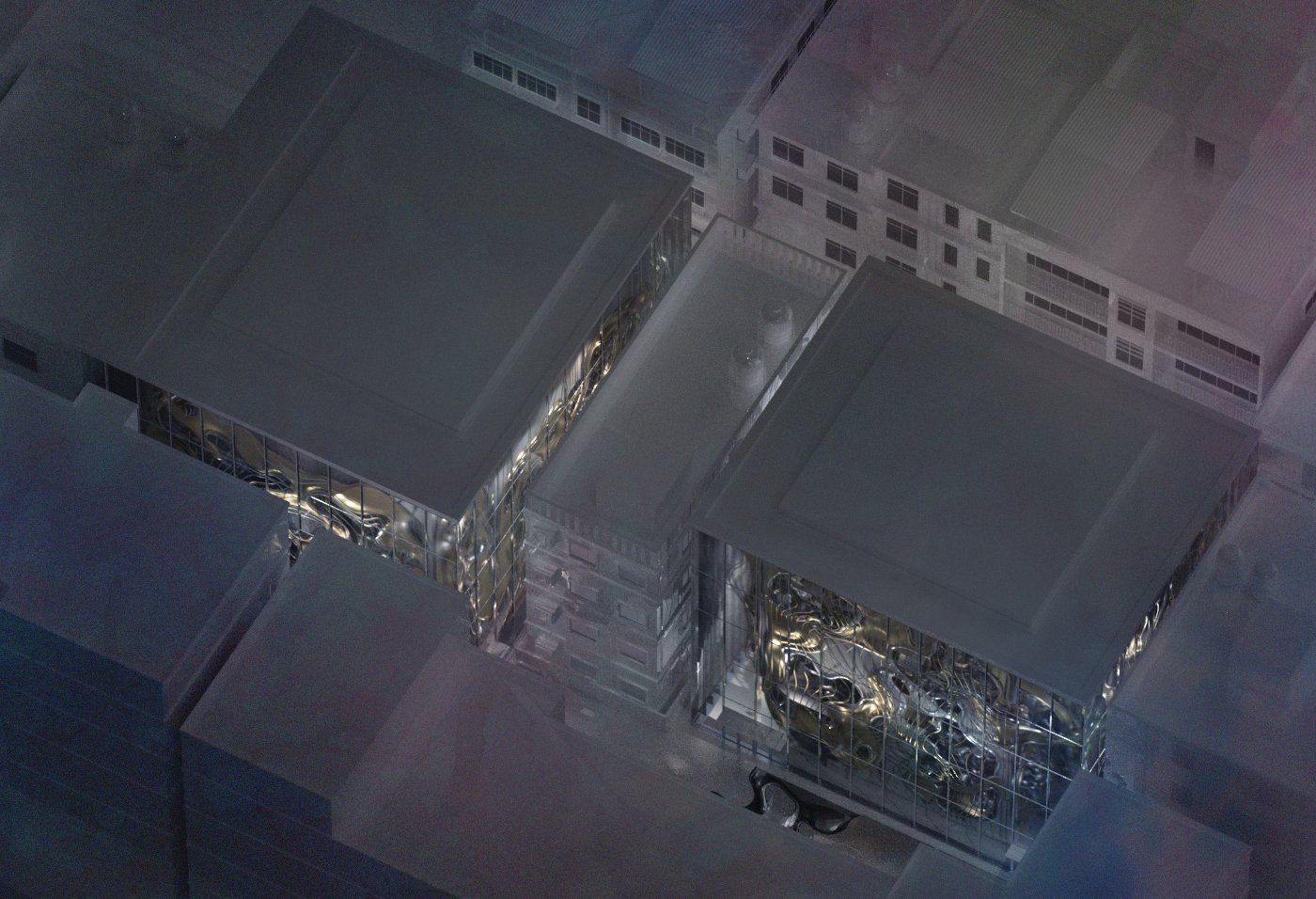
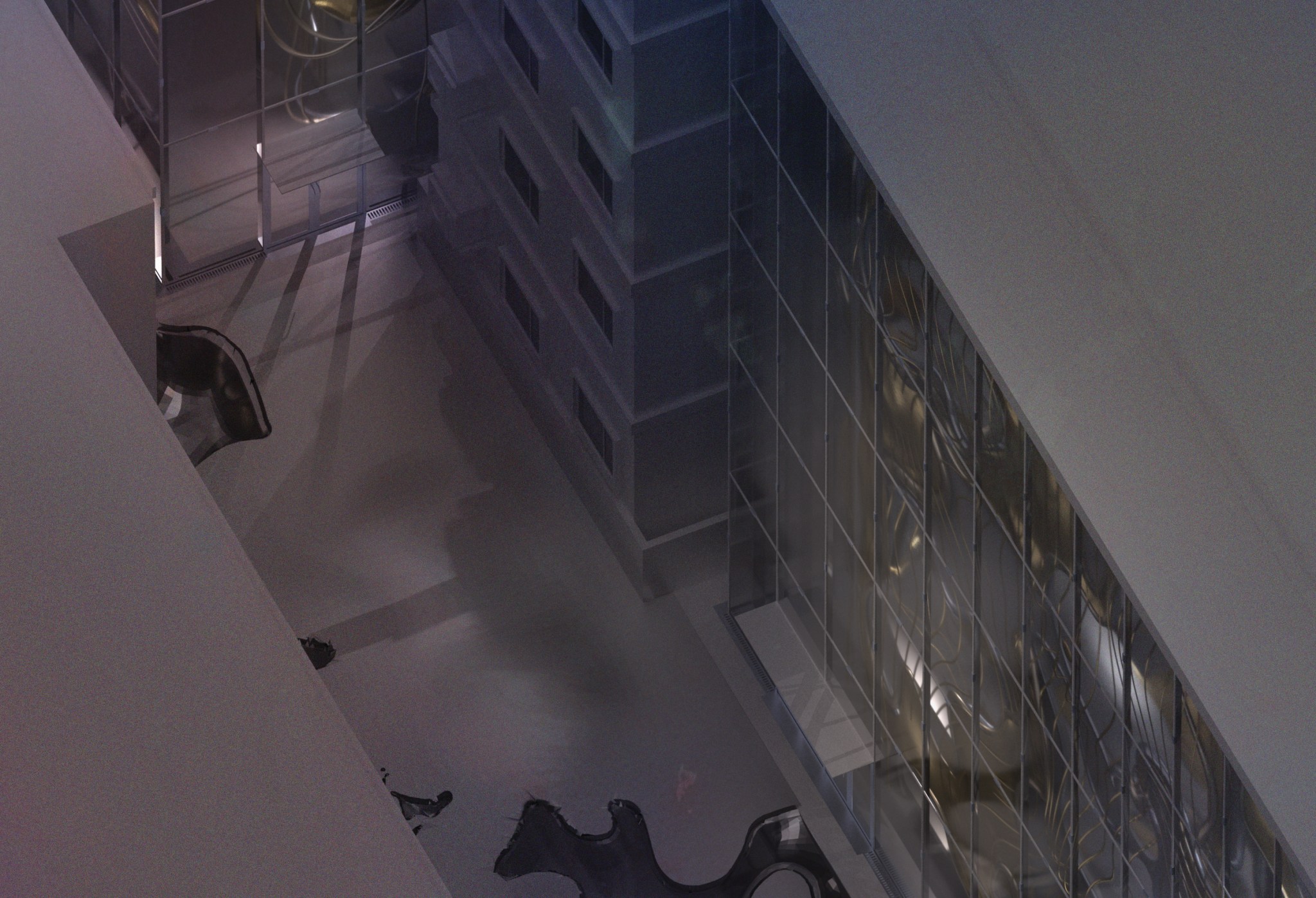
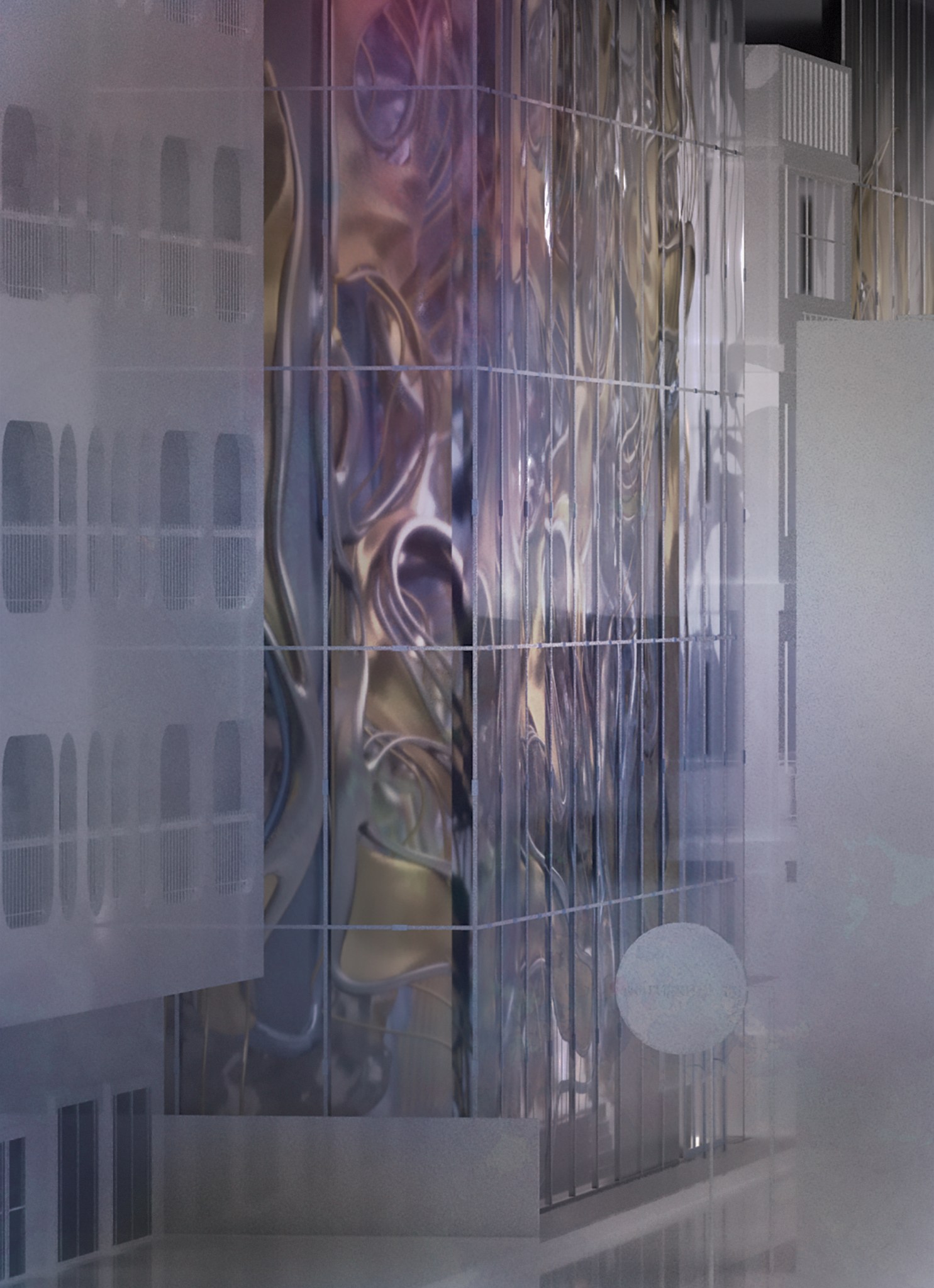
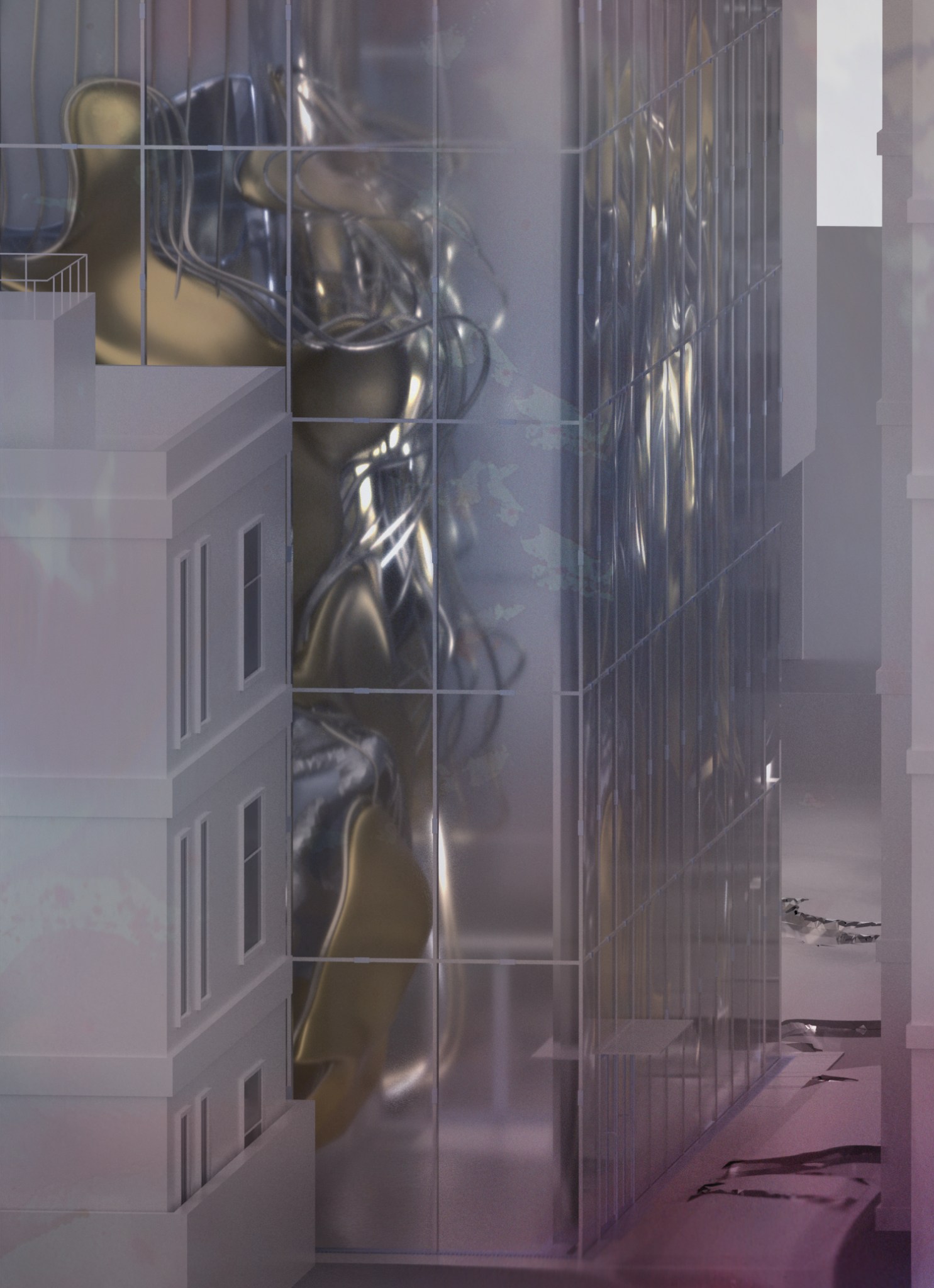
The Perspective of Pedestrians – Manifesto :
When walking through the streets and seeing the vague glass boxes far away, there is no decorations or specific architetural language on the surface of the simple glass squared boxes. However, there is some space seems interesting inside of each box. When walking closer, the vision changes from flat interior spaces to stereoscopic due to the refraction of the glass. When stepping into the designed space, it shows a fantastic space that assembled by simply two materials. This would be the first impression of the public toward The Purples: A spatial experience that gradually becomes stereoscopic.
Because of the conservative and stale conditions of urban planning and the high population density, as well as the lack of public spaces in Taipei strangled the possibilities of various events. However, the citizens still managed to utilise the limited spaces to the maximal level and pour energy into the city at numerous corners quietly. Usually, we could find some hidden corners in the city, such as a coffee shop on the second floor, a restaurant in an unknown street, and some other interesting matters. This is the biggest feature of Taipei City: seems cold and dull; yet, for people who love exploring, there are always unexpected surprises at different corners.
 Chan Yen Fen