Die Angewandte, Institute of Architecture, Studio Greg Lynn
Year : 2019/2020
Author : Annie Dai, Chan Yen Fen, Connor Hanna
Instructor : Greg Lynn, Bence Pap, Kaiho Yu, Maja Ozvaldič
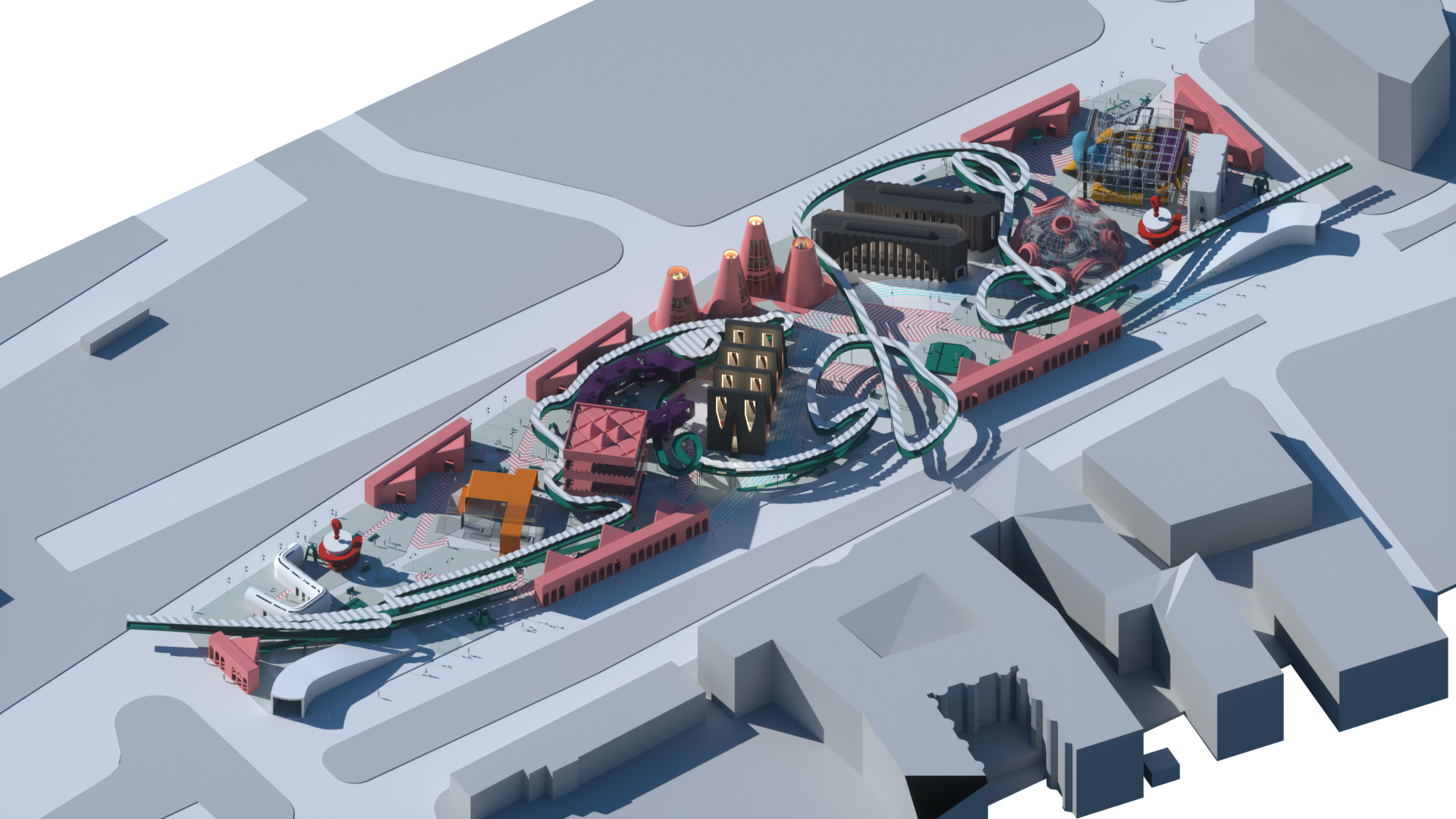
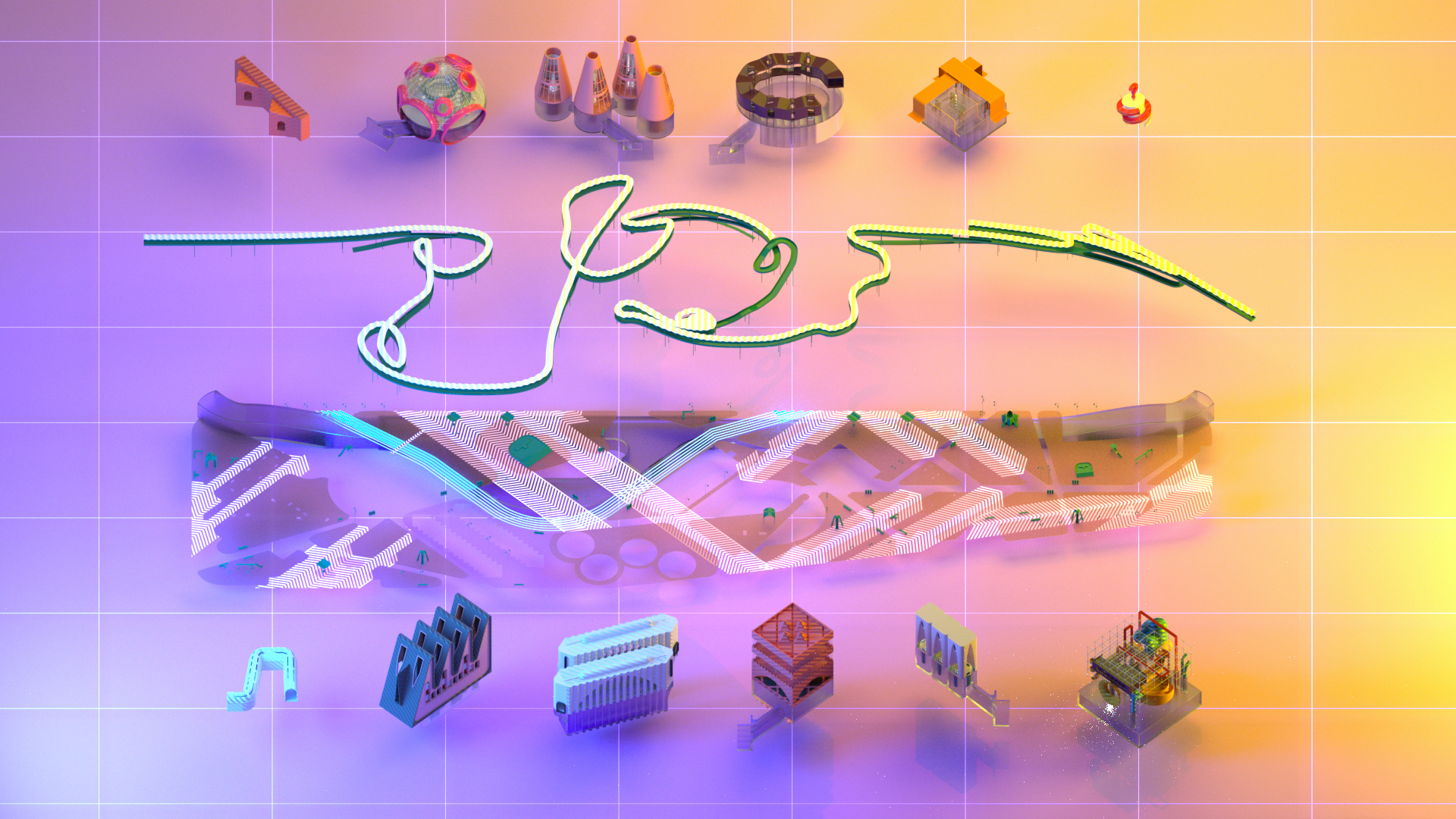
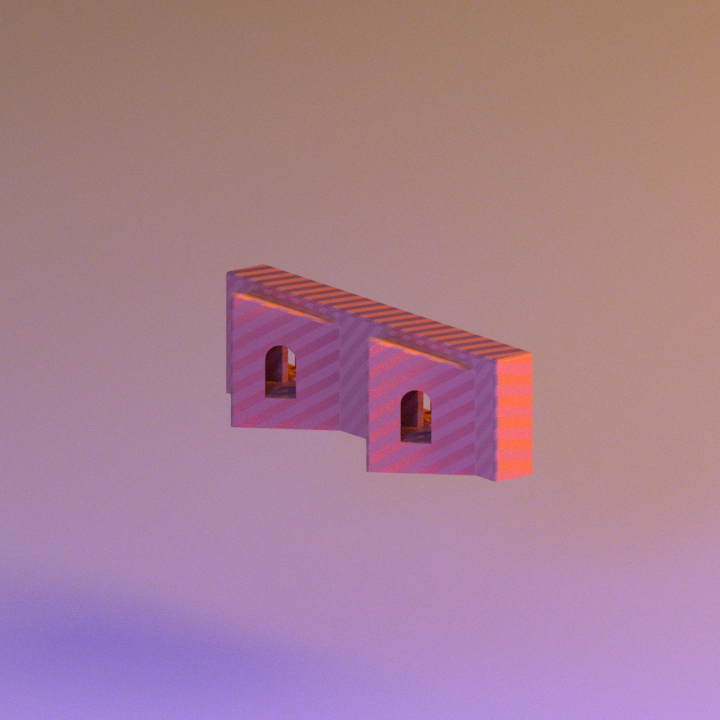
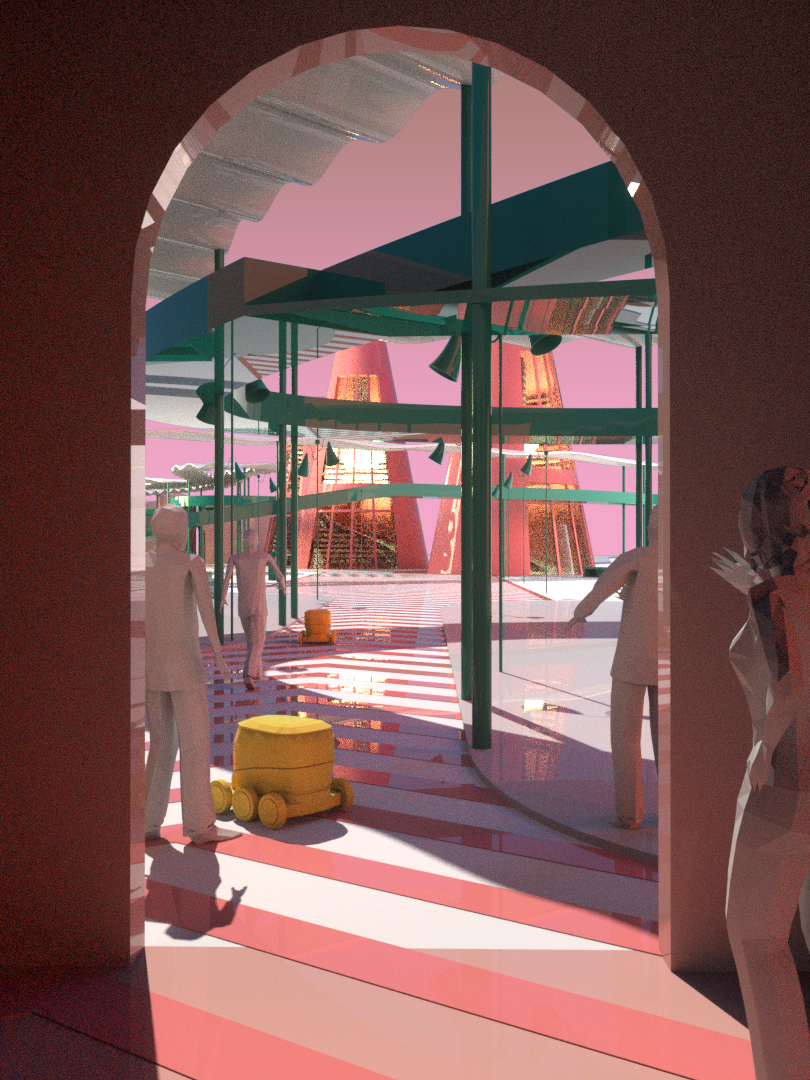
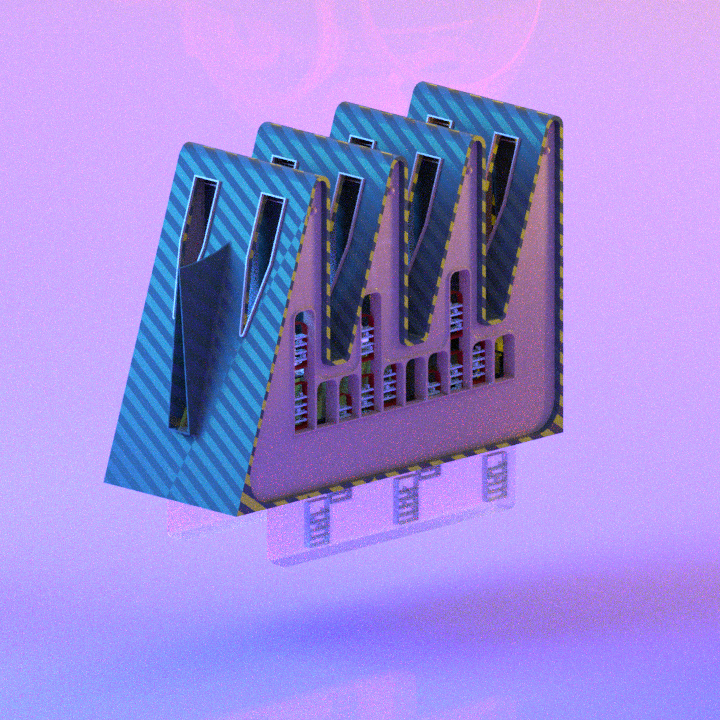
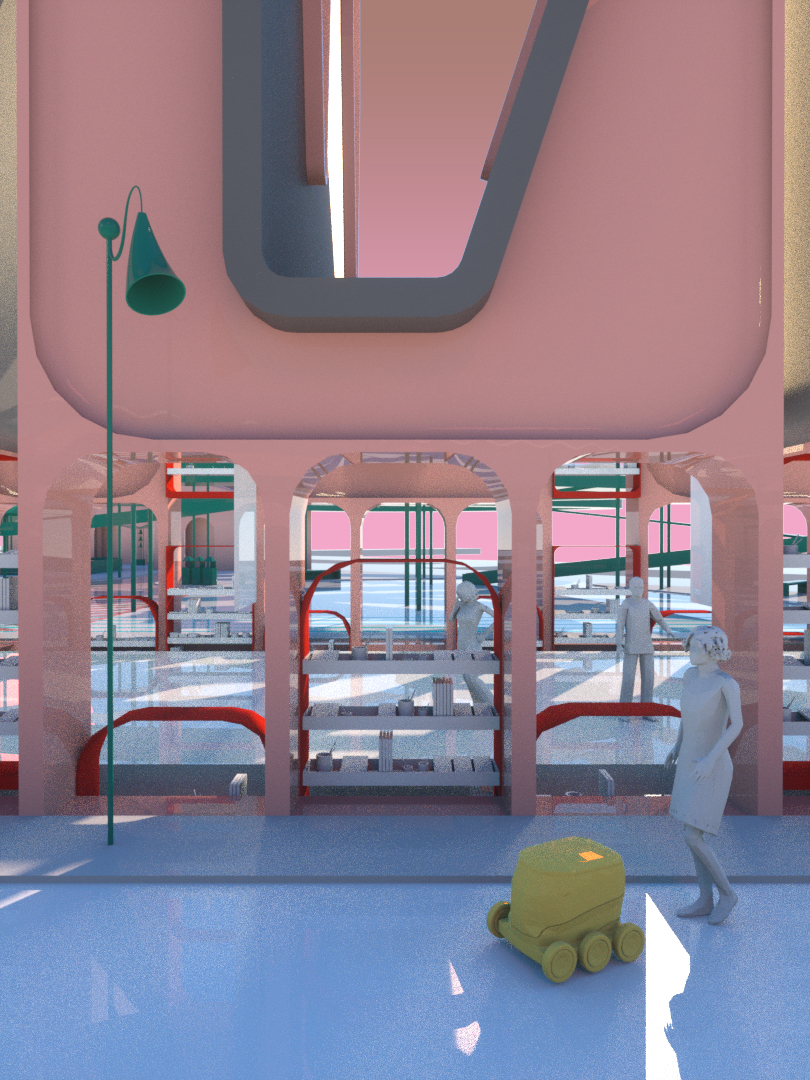

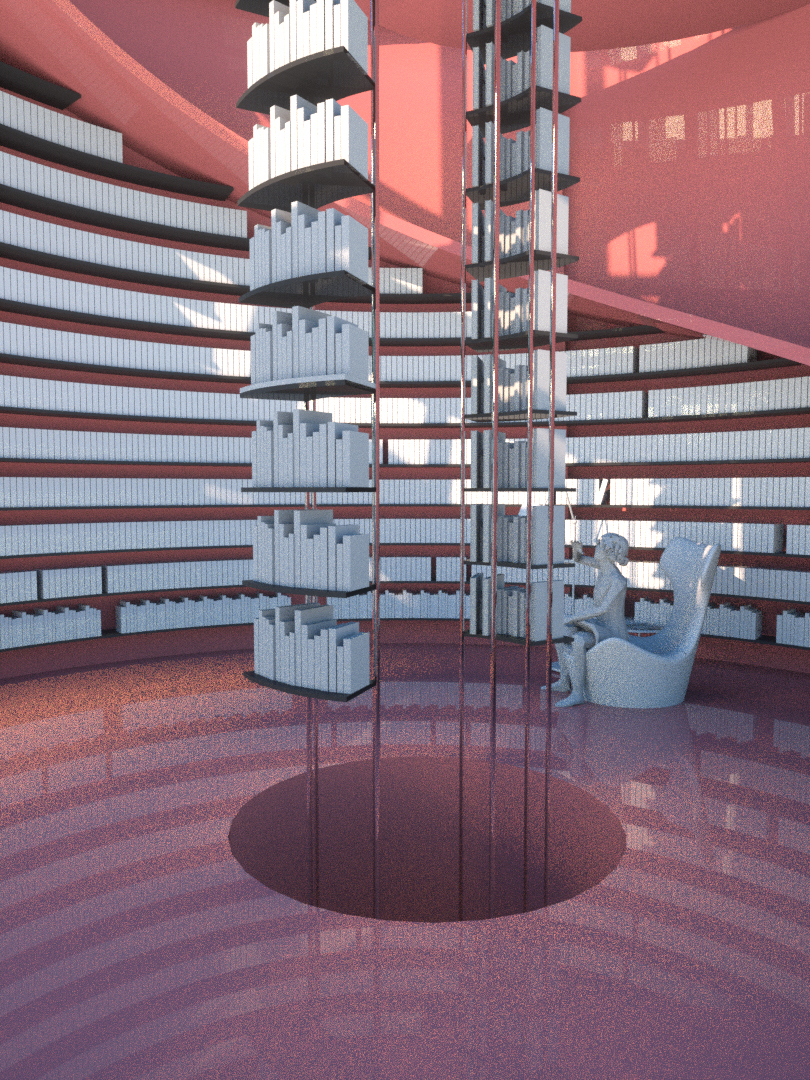
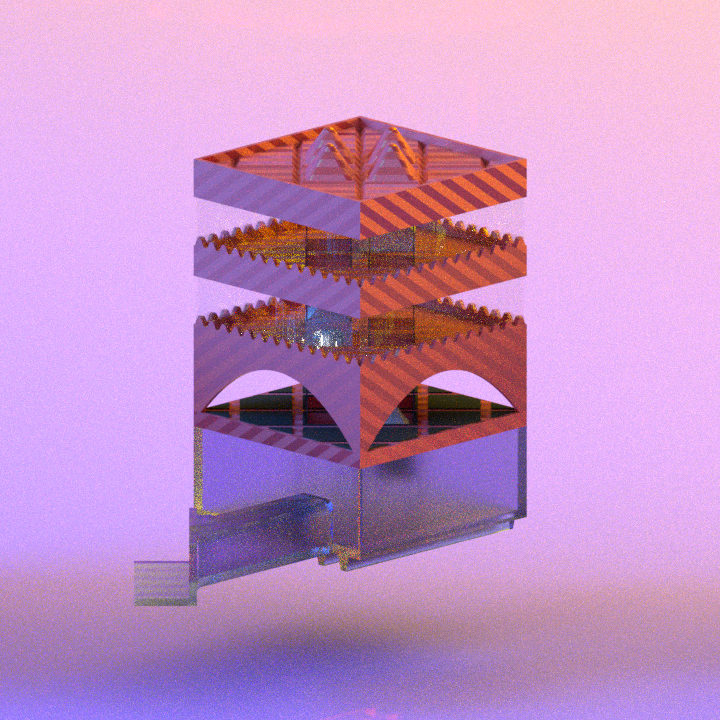
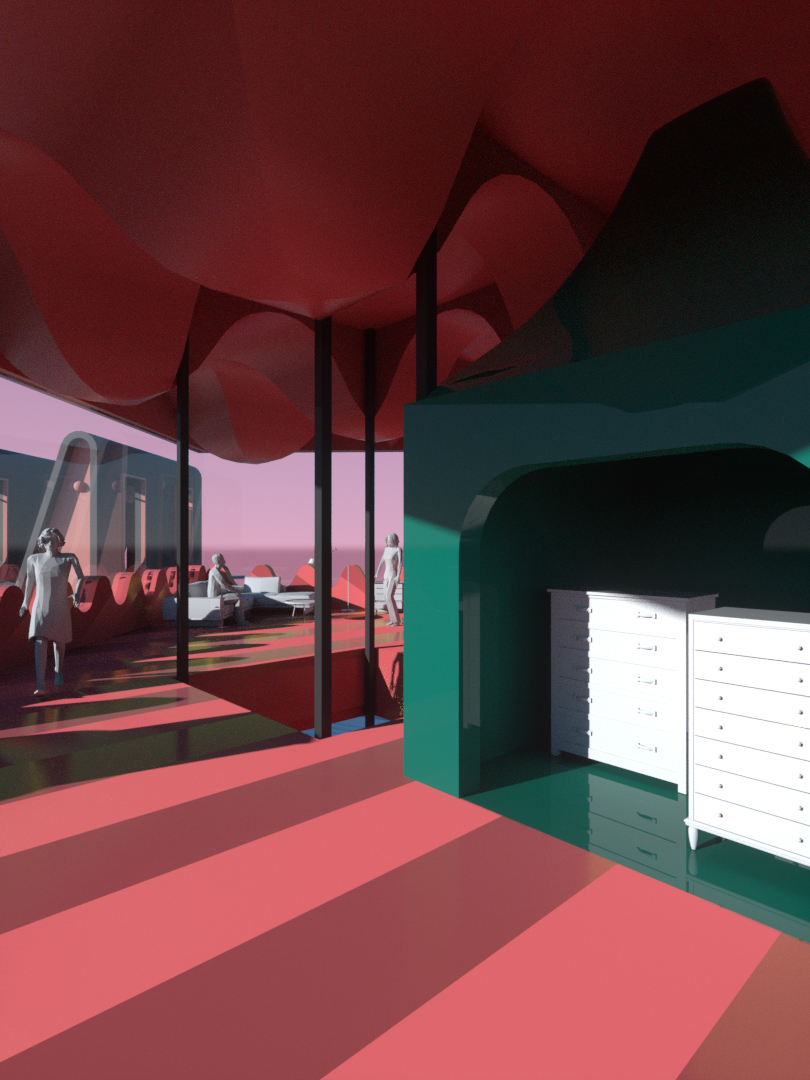
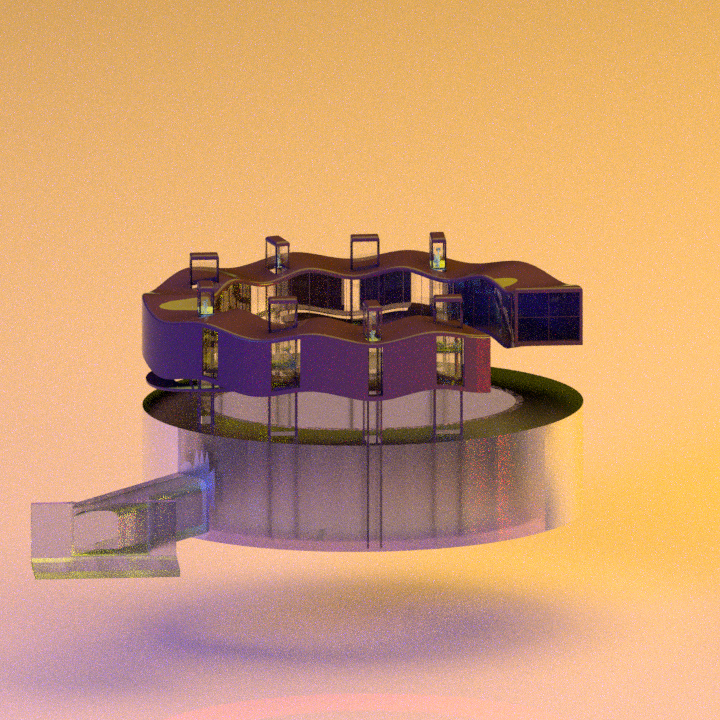
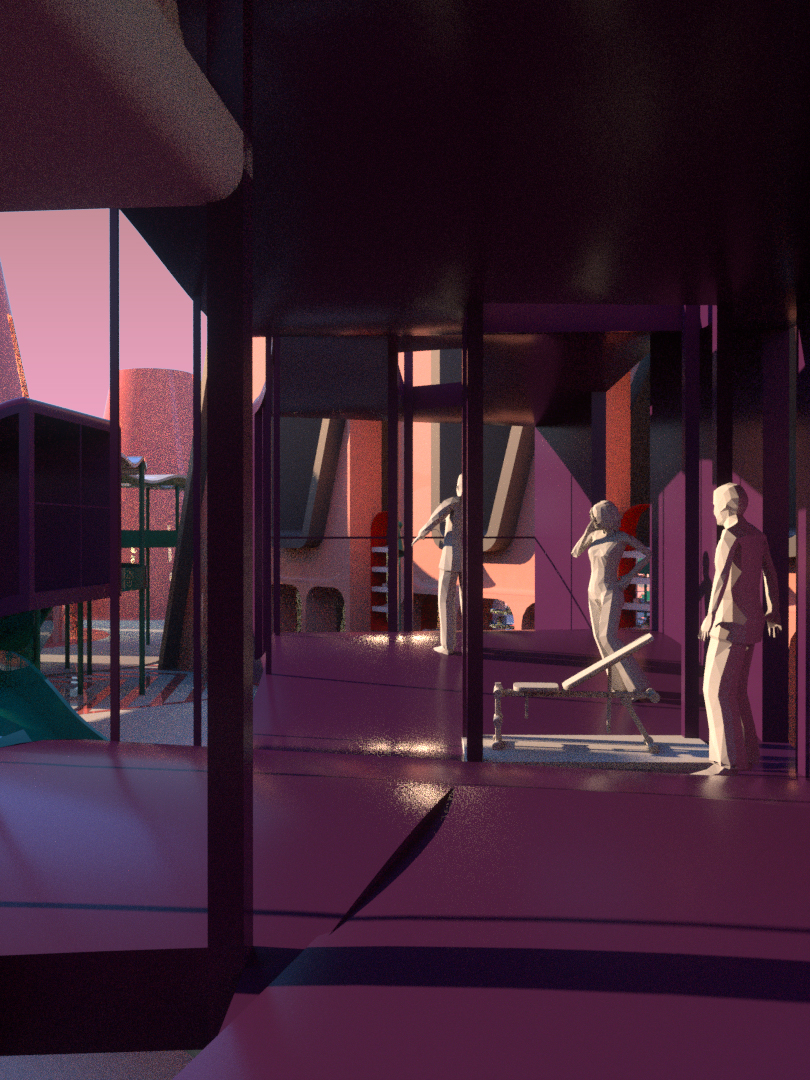
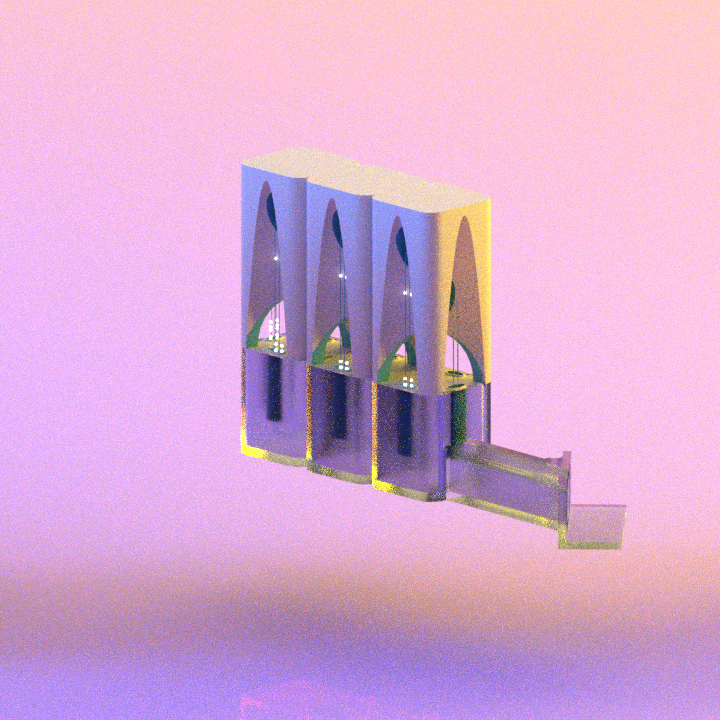
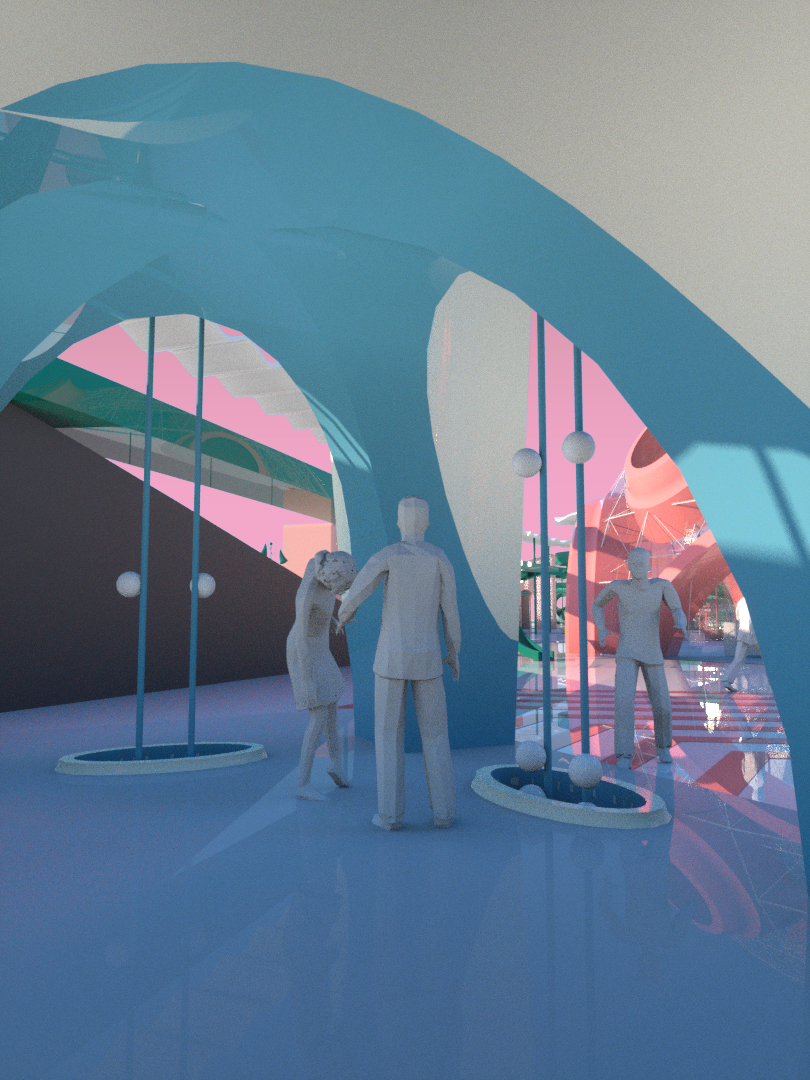
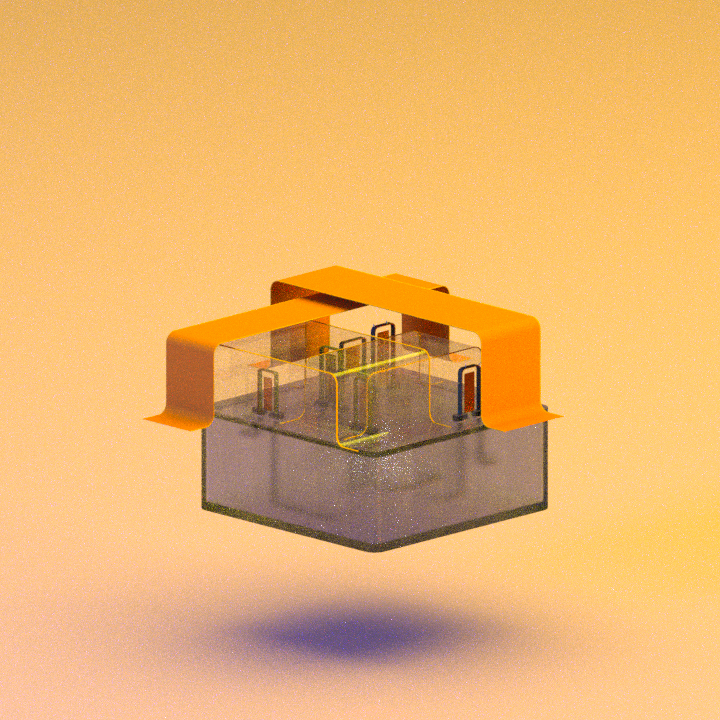
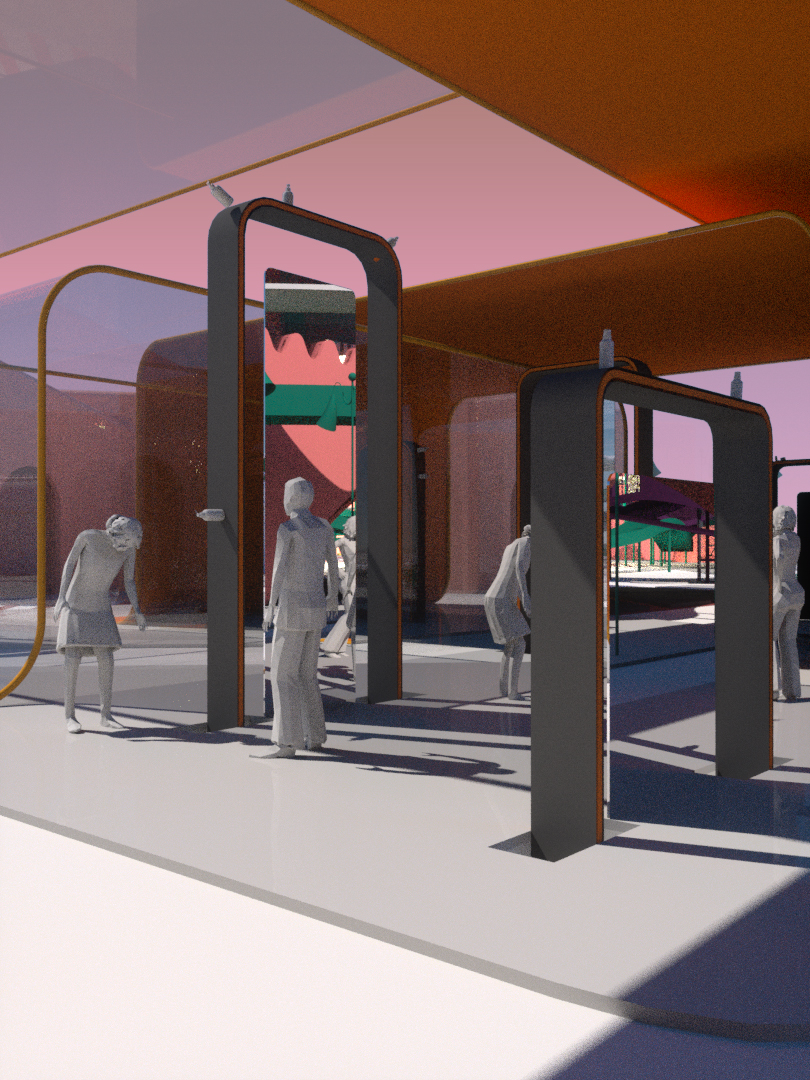
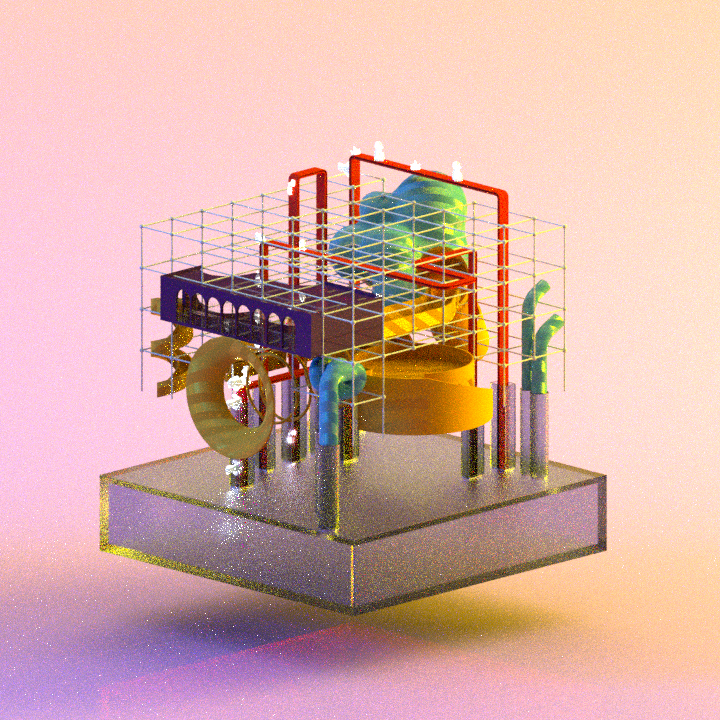
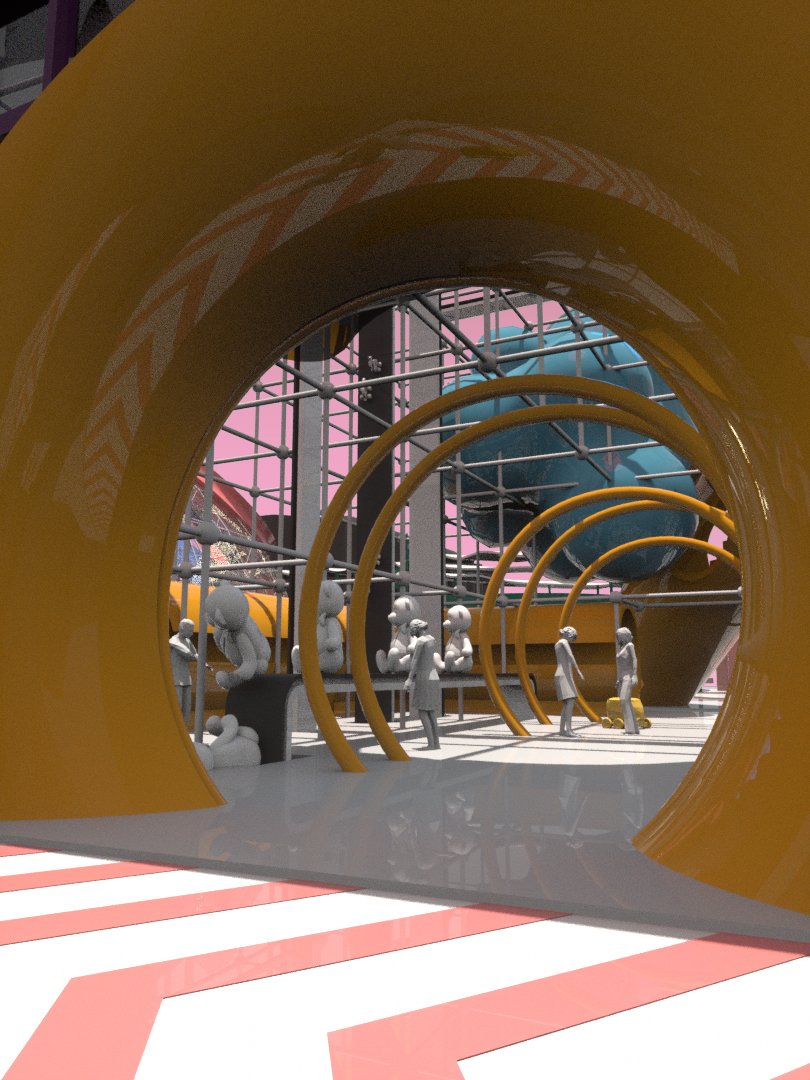
The project begins with the modeling and simulation of navigation and path planning in space. The experimental environment is mainly in Unity with two different tools, Grasshopper PedSim and C#. Both allow to generate agent flow and experiment with different obstacle course, speed, intersections and interest points.
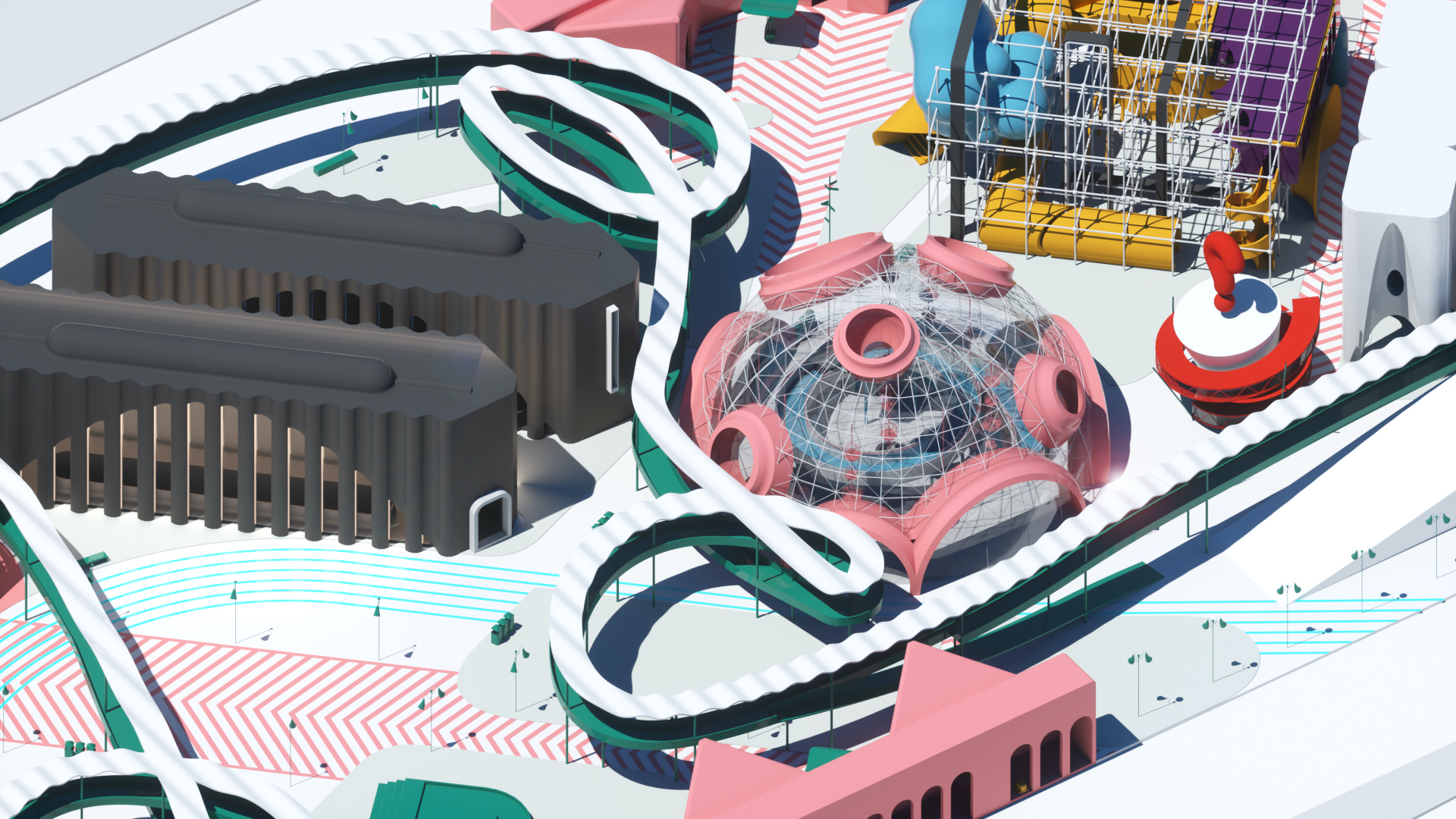
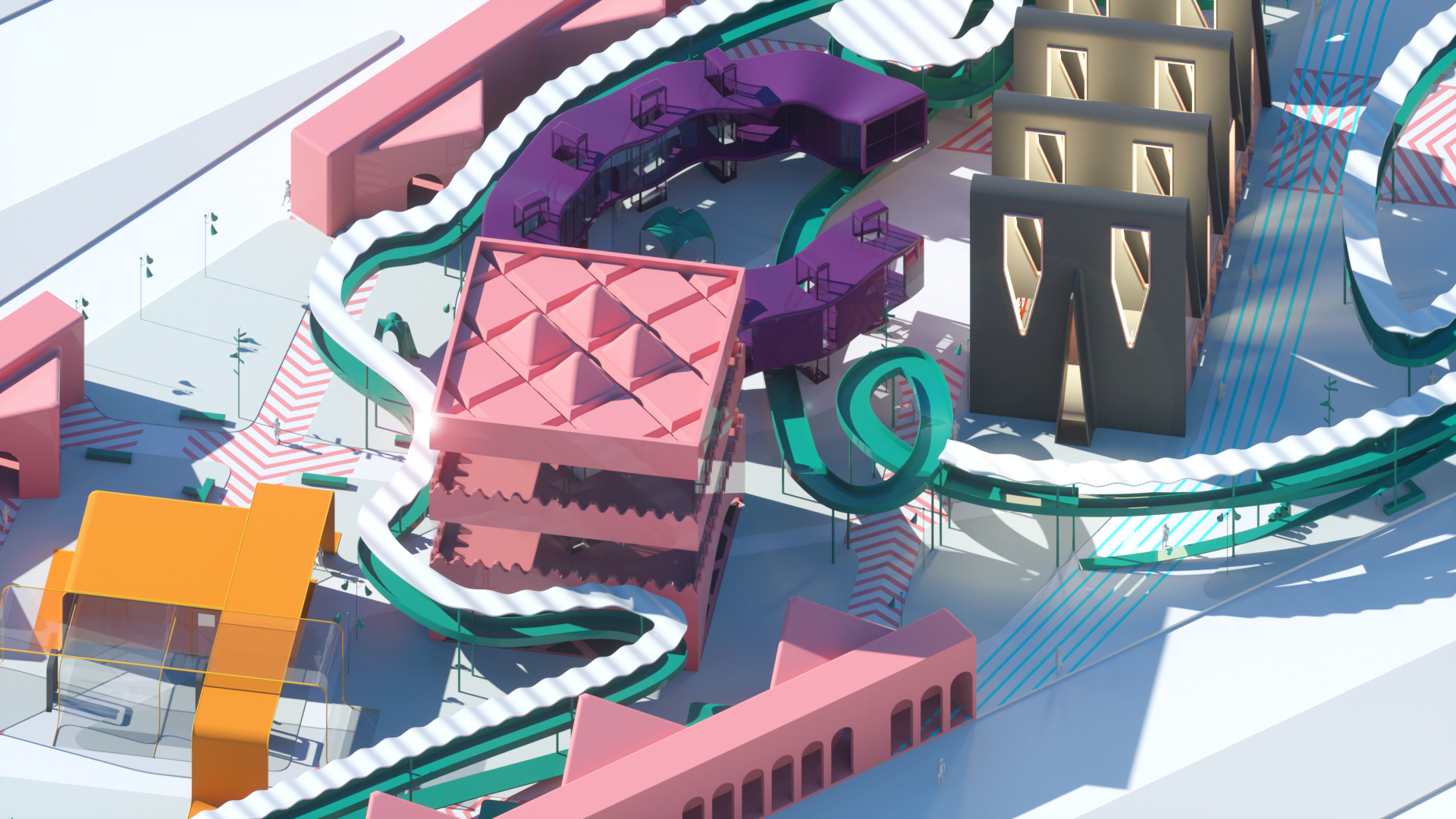
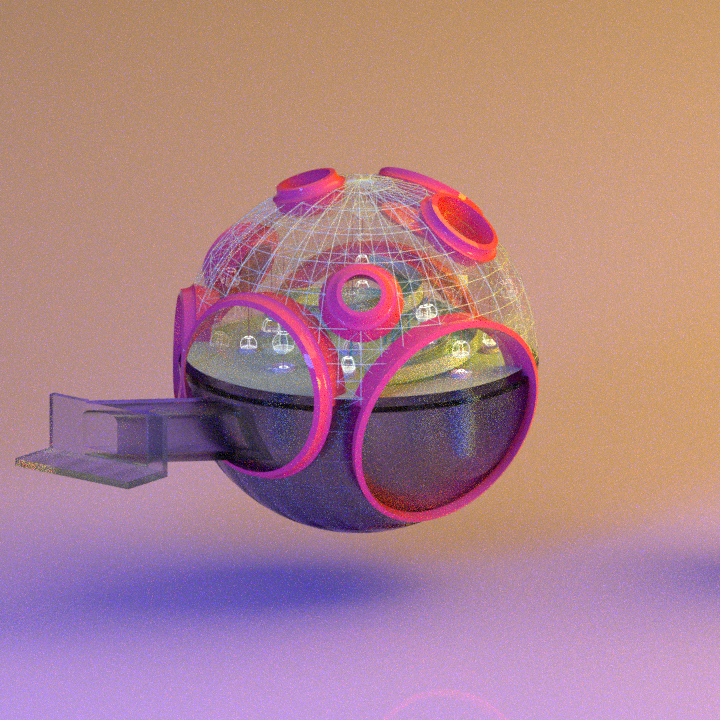
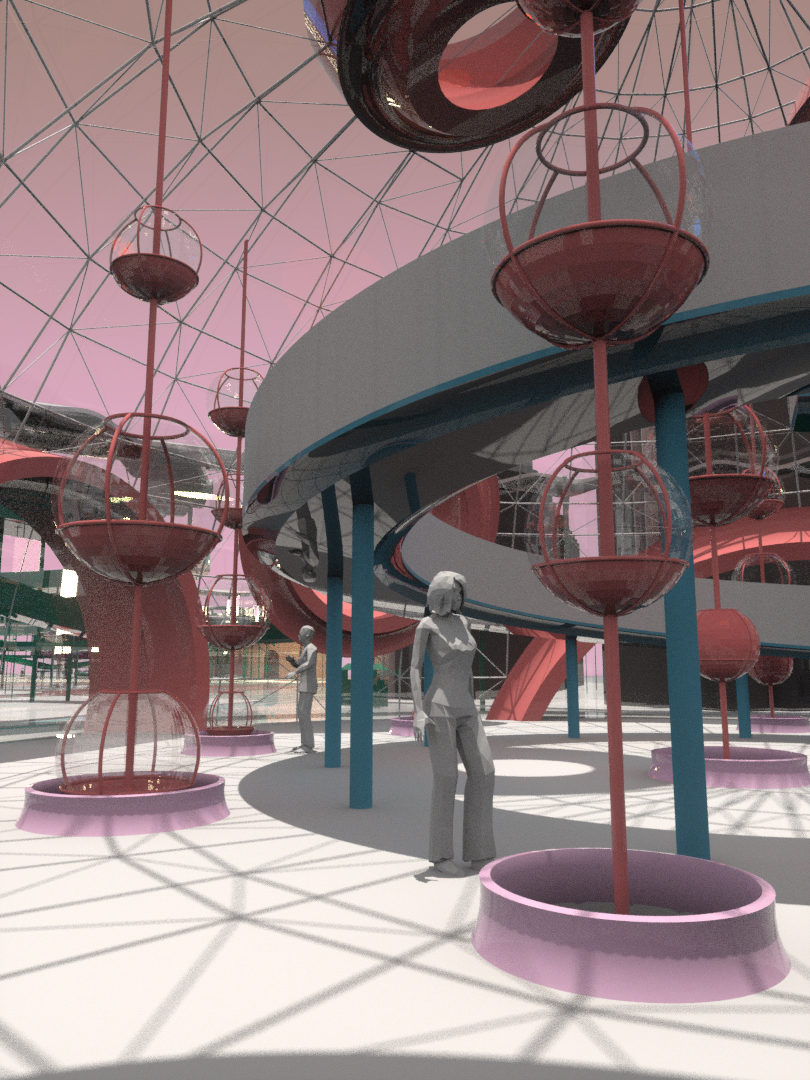
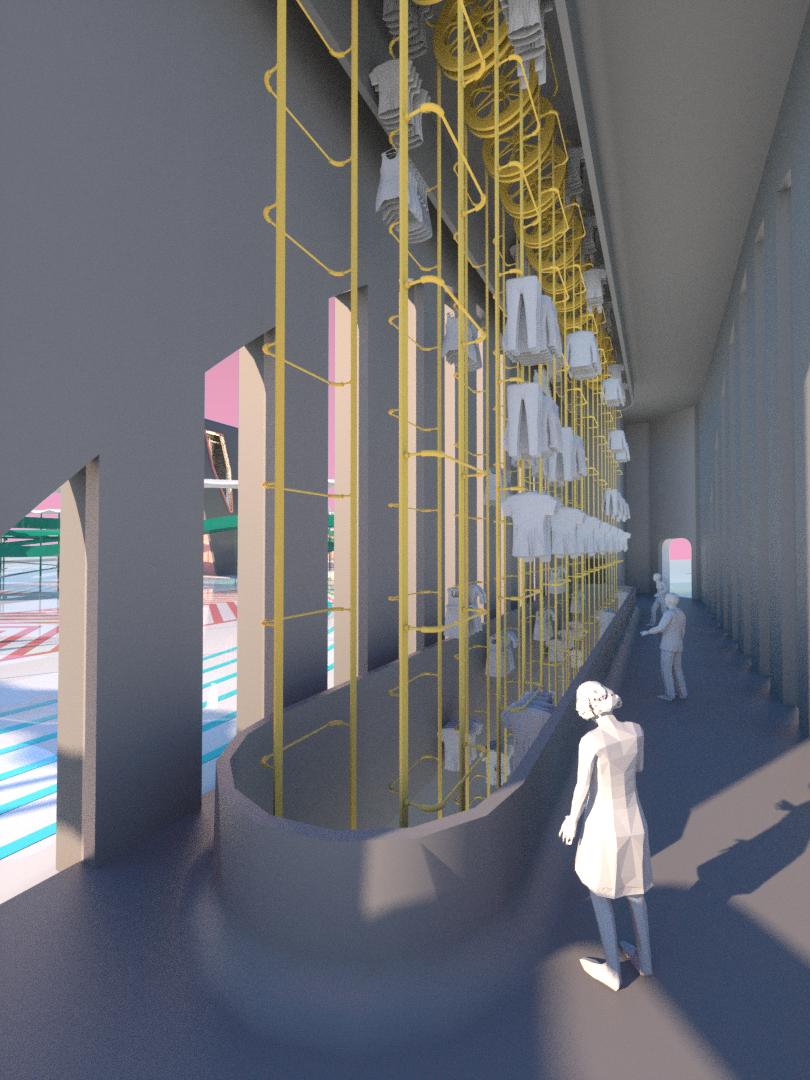
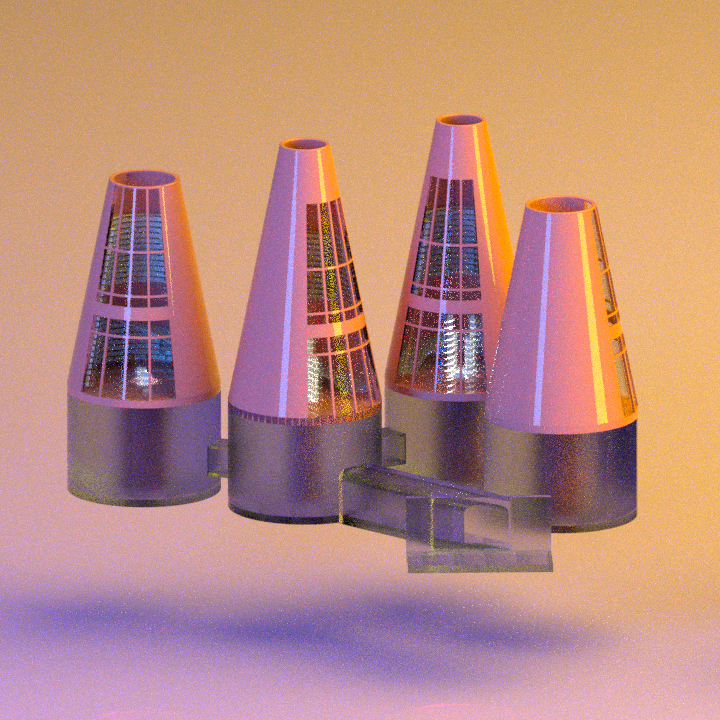
The decline of physical marketplaces and other retail spaces – places where people gather, experience, play and learn, is largely a consequence of online shopping. Therefore we as architectural designers must usurp the virtual market places and take from it what we can. After studying the mechanism of online shopping, we’ve dissected their processes and found that the interface is designed to accommodate two primary behavior types. The searcher and the browser. That item selection is overwhelming, the potential to keep scrolling is endless, the categorization of products provides a legibility. Spatial experience is architecture only redeeming factor over the virtual, and the virtual experience is a plethora of content and form – broken into digestible categories and this market is a three-dimensional representation. The programme of the pavilions are defined by categories, typically found on online shopping. They express in variable ways, through form, circulation, product display and interaction. We use this multiplicity of forms for legibility and memory to distinguish a difference amongst places.
Moreover, the categories provide the opportunity to design discrete objects and treat this project like an experiment in micro-urbanism. We embrace the idea that various architects designing in a centralized master plan with their own idiosyncratic design sensibilities. The discrete objects allow us to test the simulation tools as a mean of creating a circula- tion, like to express the variation in speed through circulation geometry. The spectacle of the pavilion where people arrive are intended to be the primary experience; perhaps the outcome is an over-saturation of content but is not like the virtual market.
 Chan Yen Fen