Tamkang University, Department of Architecture, 4th Year Studio
Year : 2015
Author : Chan Yen Fen
Instructor : Hideki Hirahara
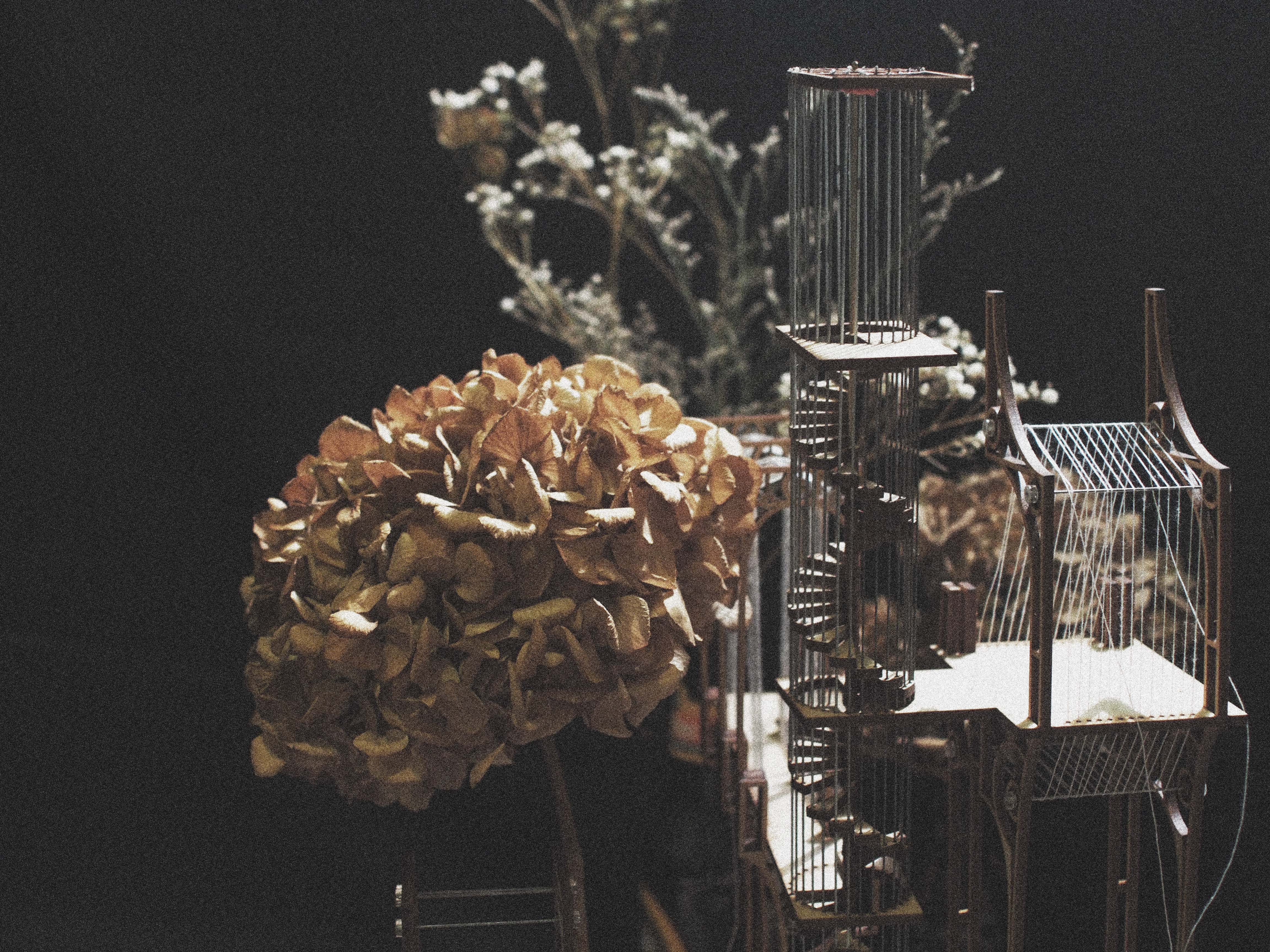


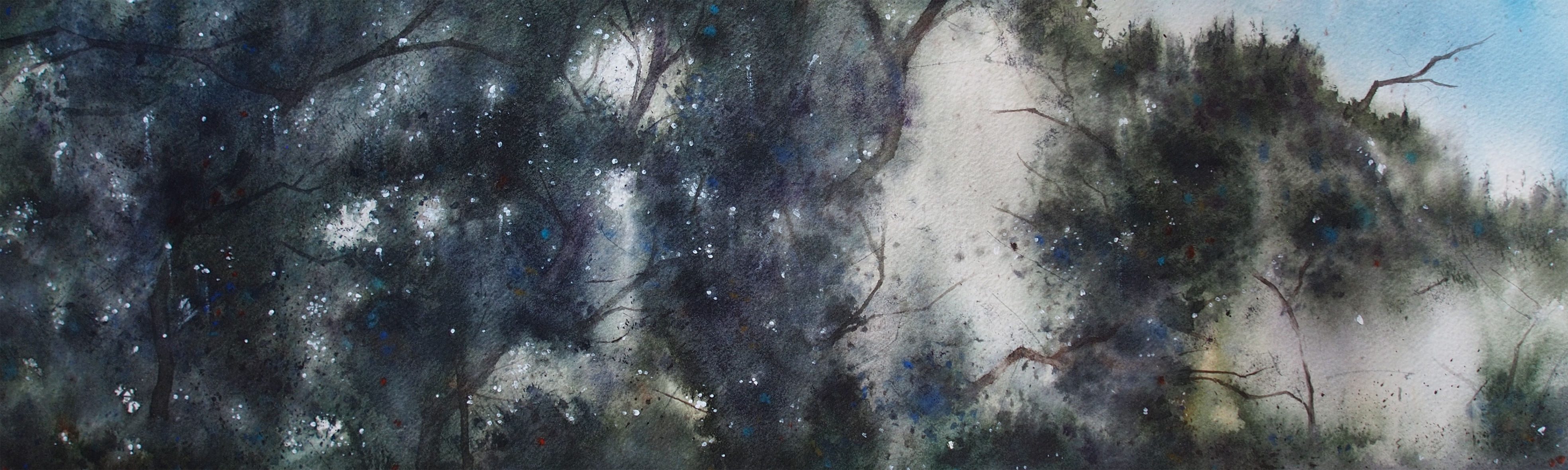
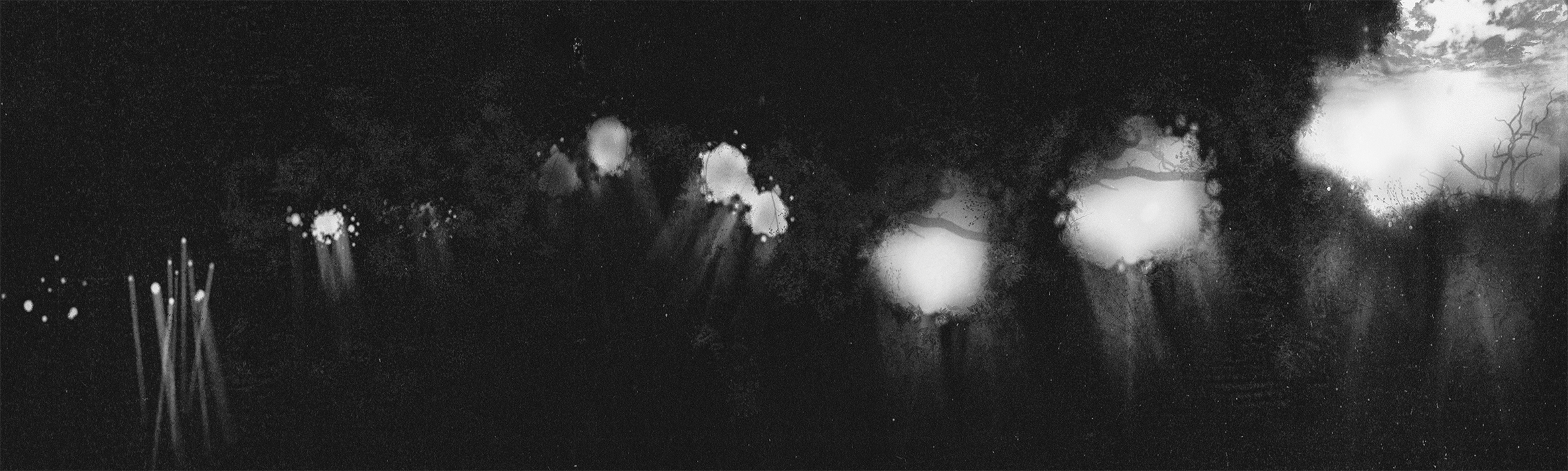


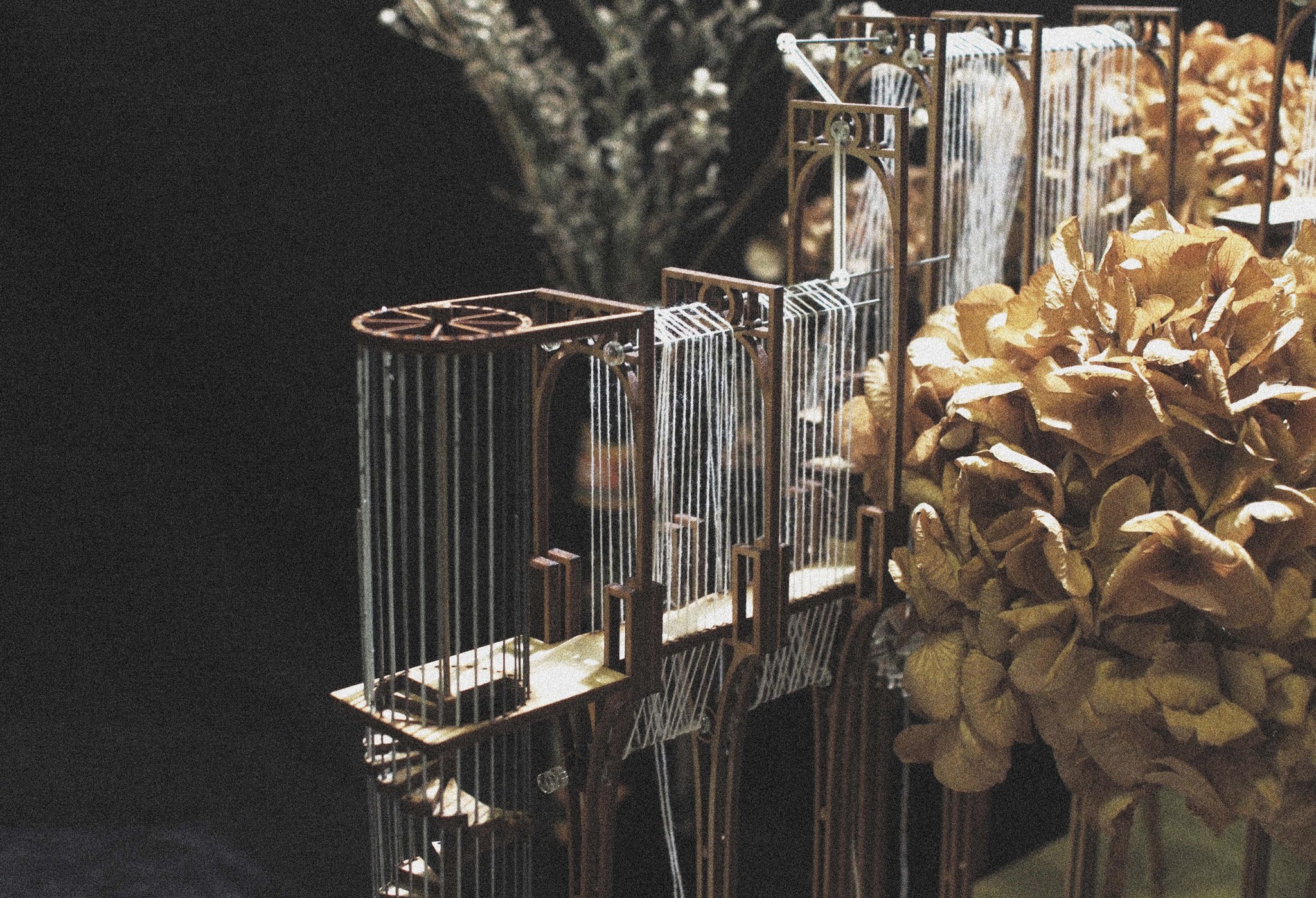

This project was conducted in the fourth year at the university, which was in a studio that focused on observing various elements in nature and transferring the research into architecture. Due to personal interest, it was my first time applying drawing techniques to the initial development stage of an architectural design. In the field of architecture, drawing and photography are common tools for recording; however, each drawing line and colour is relatively inaccurate compared with photography. I take the inaccurate process as a subconscious personal reflection toward the object; therefore, the designer could gradually refine and capture the materials in the following design development from the drawing process.
The site is a place named Siangtian Pond in the mountain area in the suburbs of Taipei, which is composed of unique soil and a low-lying structure; the place would collect rainwater and become a puddle after raining for a few days. Because the site does not have any man-made construction, all of the movements are limited above the ground; moreover, the trail is surrounded by dense groves that block the sight, which becomes a landscape that is difficult to find. I utilised landscape sketching to record it and look for appropriate elements in the architecture; also, I attempted to explore the sense of wanderings when the unreachable canopies surrounded humans. The results generated three drawings listed below :
1. Pond and Forest
2. Unreachable Canopies
3. Pond of Light
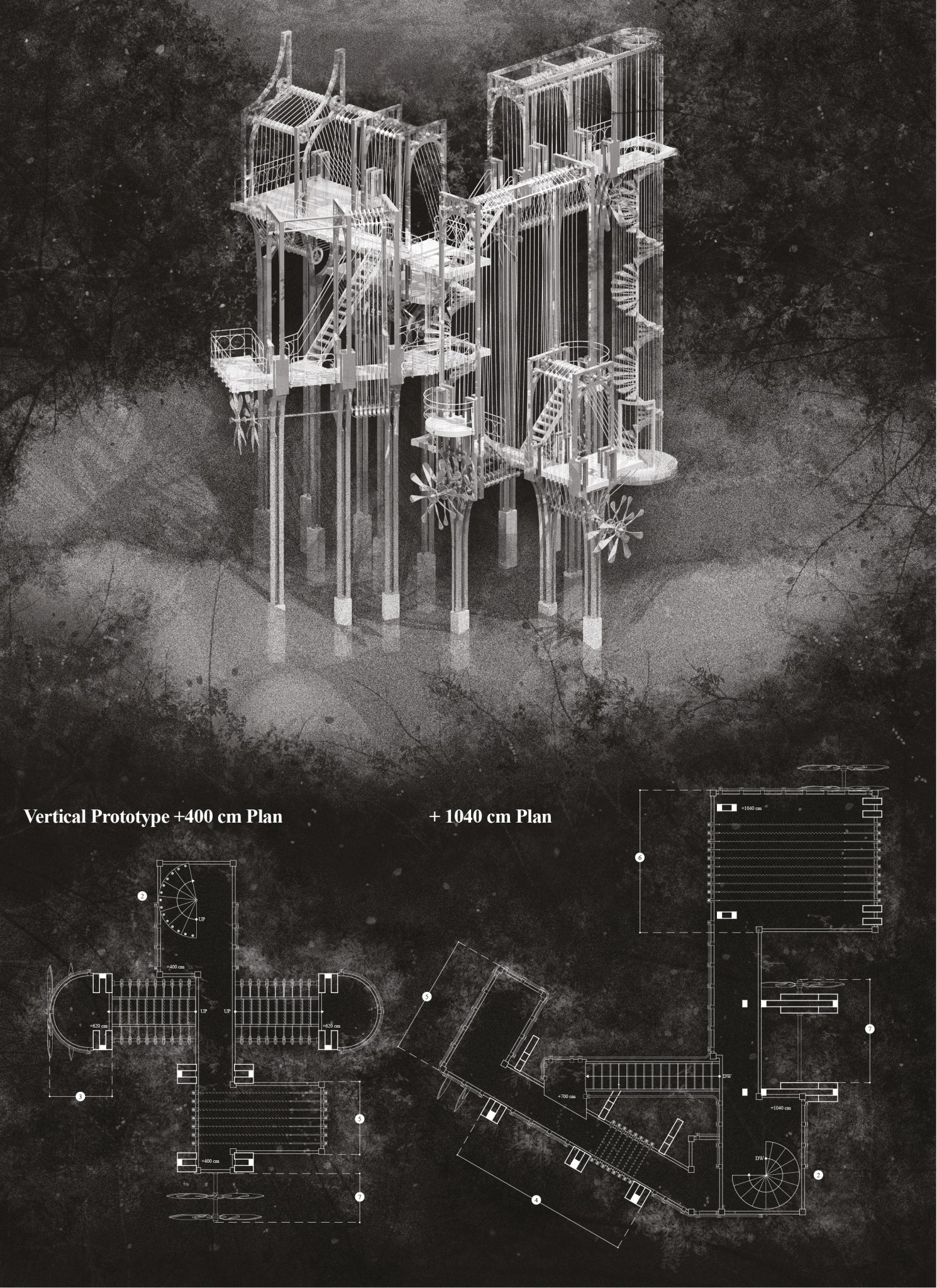
When staying in a forest, people tend to lose their sense of direction; the spatial experience acquired from living in a synthetic building would be flipped utterly. The Design further takes humankind to a higher position that strengthens the sense of wanderings, which is a mentality that happens when surrounded by the extreme and strange nature. In the design, the lightweight frame construction lifts the users into the air. The leaves are the media defining the space, and the canopies shape different sizes of spaces; hence, they create various spaces from the narrow cracks that allow limited sunlight to pass through to wider semi-open spaces that connect with the skyline. Since the spaces vary constantly, I used lightweight filaments to define the space naturally instead of using solid walls.
In order to cope with the growing conditions of the trees around the trail, I designed two different kinds of prototypes, horizontally and vertically, which were scattered all over the empty spaces around the Siangtian Pond trail. People could walk through the large and small spaces to explore the places among the canopies and embrace the landscape around Siangtian Pond from a new angle.
 Chan Yen Fen